
Policy Dialogue #Justice4Moldova – Four Years of Vetting: Lessons Learned and Perspectives for Justice Reform
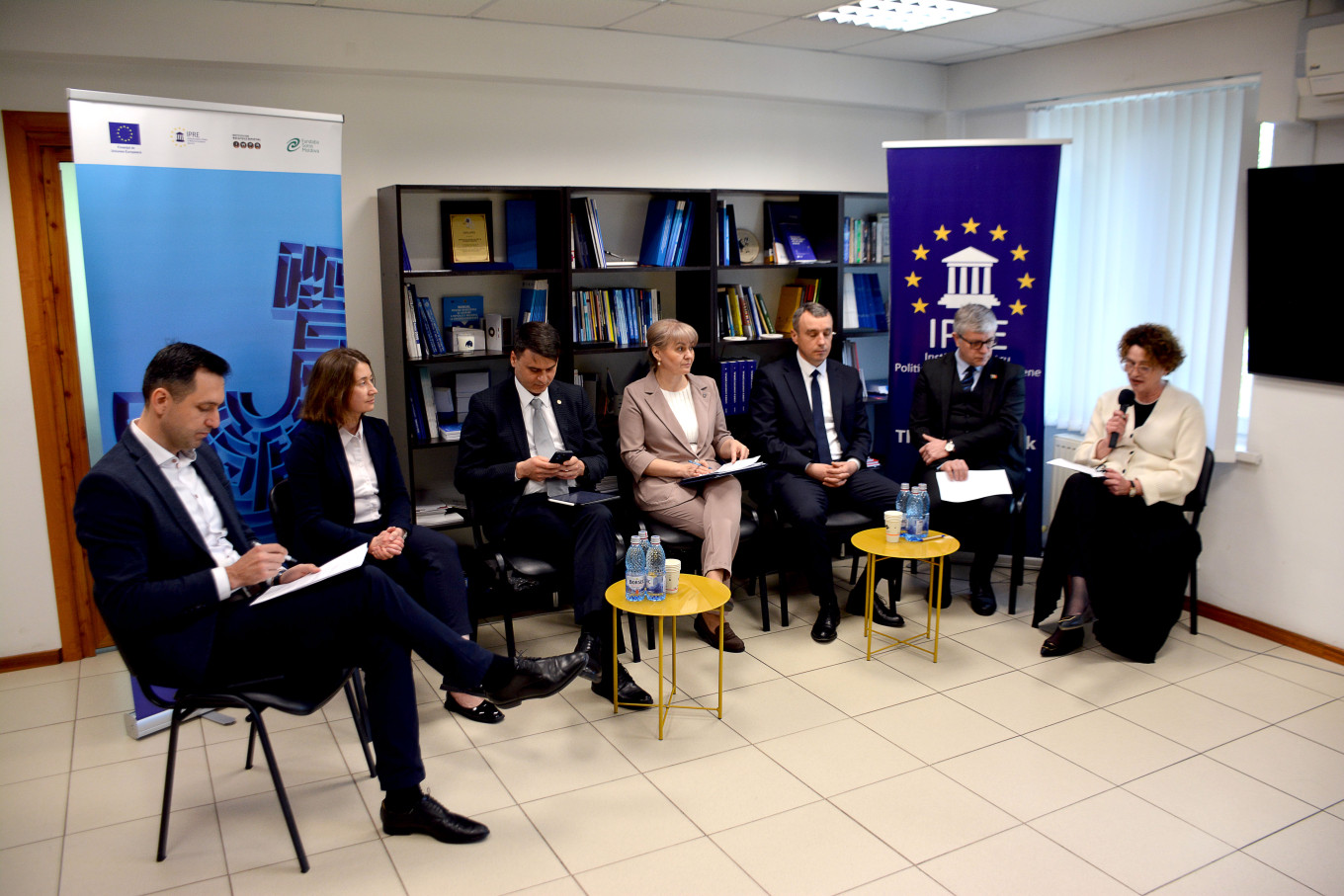
The Institute for European Policies and Reforms (IPRE) organized on Tuesday, April 28, 2026, a Policy Dialogue #Justice4Moldova titled “Four Years of Vetting: Lessons Learned and Perspectives for Justice Reform.” The event brought together members of Parliament, representatives of the Ministry of Justice, the Superior Council of Prosecutors, Vetting Commission and legal experts to assess the progress and challenges of the extraordinary evaluation process of judges and prosecutors launched in 2022.
The discussion, moderated by Adrian Ermurachi, IPRE Co-Executive Director, focused on the lessons learned four years after the launch of the vetting process, its real impact on the justice system, and the public policy directions needed to consolidate and effectively complete this reform. Particular emphasis was placed on key challenges, including the lengthy duration of evaluation procedures, staffing shortages in the judiciary, diverging perceptions regarding the fairness and transparency of the process, and the need to ensure the sustainability of the reform after the completion of vetting.

Angela Popil, Member of the Justice Expert Group (GEJ), noted: “The amendments adopted in March 2026 to the legislation governing the vetting process raise serious constitutional concerns, both in terms of the adoption procedure and substance. The introduction of an amendment in the second reading, without a direct connection to the draft law, contradicts the established jurisprudence of the Constitutional Court and the rules governing the adoption of organic laws. At the same time, changing the mechanism for appointing international members of evaluation commissions—from a qualified majority to a simple majority—risks undermining the principle of broad political consensus, which is essential for the credibility of the reform. This approach may create the perception of politically influenced appointments, thereby weakening public trust in the evaluation process. Despite progress achieved, the reform continues to face major challenges, including a shortage of judges and the risk of institutional blockages, which calls for urgent solutions to ensure the proper functioning of the justice system and the effective completion of the vetting process.”

Igor Chiriac, Vice-Chair of the Legal Affairs, Appointments and Immunities Committee of the Parliament of the Republic of Moldova, stated: “Justice reform is one of the most important initiatives undertaken and was driven by the need to restore citizens’ trust in the judiciary. Although it is not a perfect reform and has faced challenges, it is essential to see it through, as its main objective remains ensuring a justice system where the law is equal for all and citizens have confidence in it. In recent years, important changes have been recorded in the functioning of institutions, but further consolidation is needed, including ensuring a corps of judges that is not only ethical but also competent. Regarding recent amendments, it is important to await the opinions of relevant institutions, including the Venice Commission and the Constitutional Court, before drawing conclusions. At the same time, the actions taken aimed to accelerate the evaluation process, particularly for prosecutors, and the priority remains to continue and finalize the reform for the benefit of citizens.”
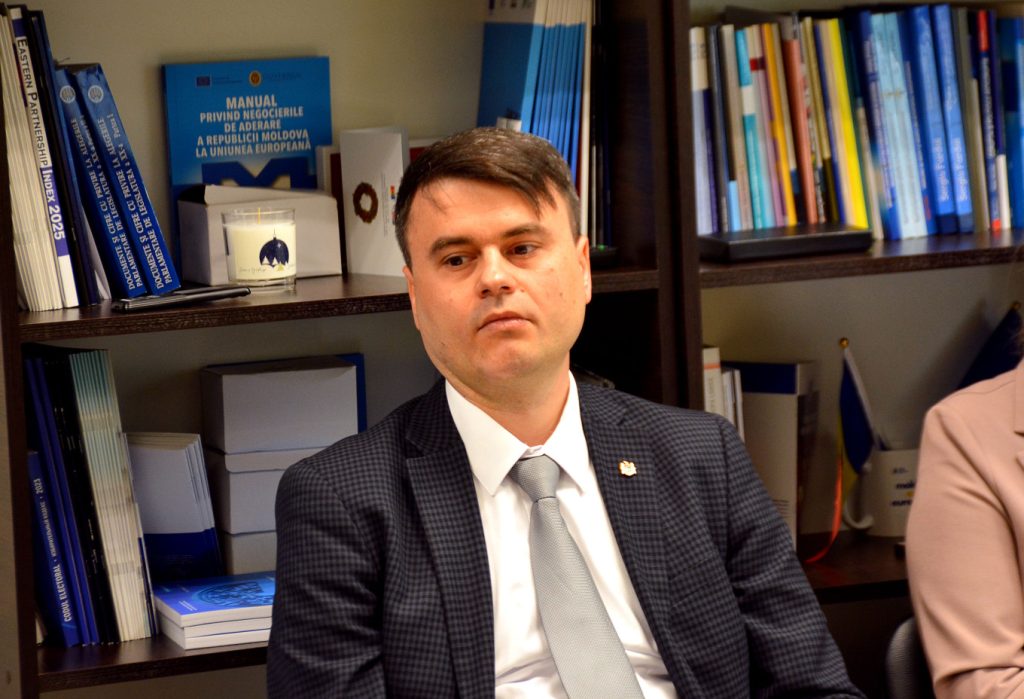
Alexandru Berlinschi, Member of Parliament, “Our Party” Parliamentary Fraction, said: “The vetting process is necessary; however, the way it is being implemented raises multiple concerns, both in terms of respecting the principles of consensus and the fairness of procedures. Recent legislative amendments were adopted at a rapid pace, without sufficient debate, which creates suspicions regarding the intention to influence appointments to evaluation commissions. At the same time, there are concerns about inconsistent standards applied in the evaluation process, as well as difficulties faced by candidates in proving the origin of their income, including for periods or situations that are hard to document. From the citizens’ perspective, the reform risks being perceived as a tool for controlling the judiciary, especially in the context of significant delays in court proceedings and the shortage of judges. The justice reform must continue, but it is essential that it be carried out correctly, in a balanced manner, and with respect for the principles of independence and integrity, in order to ensure a credible and functional justice system.”
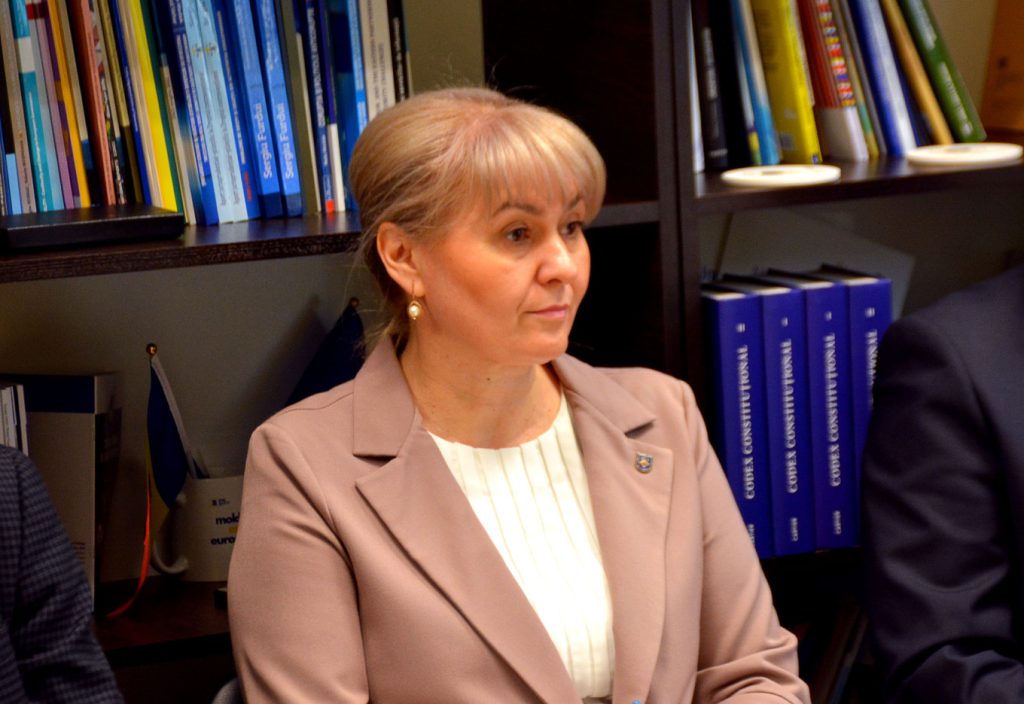
Elena Roșior, Acting President of the Superior Council of Prosecutors, commented: “Justice reform is necessary and has been assumed, but current data from the prosecution system show significant challenges in terms of capacity and implementation. At present, there is a considerable shortage of prosecutors, including at the managerial level, with many positions held on an interim basis, affecting institutional stability and efficiency. While the evaluation process is essential and already includes criteria of ethical and financial integrity, its pace and procedural complexity raise questions about meeting established deadlines. At the same time, the regulatory framework contains certain inconsistencies that hinder the efficient conduct of the process. From this perspective, strengthening institutional capacities—particularly at the level of selection and evaluation boards—is necessary to ensure the continuity of the reform and its completion in a realistic and functional manner.”

Nadejda Hriptievschi, Member of the Vetting Commissionof Prosecutors, stated: “Justice reform is a complex and long-term process, and the perception that it has been ongoing for four years does not fully reflect reality, as the pre-vetting and vetting stages were launched at different and relatively recent times. While there are expectations for rapid results, an accelerated reform risks producing negative effects, which is why a careful and balanced approach is essential. At the same time, there are already signs of progress, including a gradual increase in trust in the justice system. However, the current legal framework and structural differences between the judiciary and the prosecution system complicate the rapid completion of the process. To ensure the sustainability of the reform, it is necessary to clarify evaluation mechanisms, avoid turning vetting into a permanent process, and maintain a balance between integrity, efficiency, and institutional capacity.”
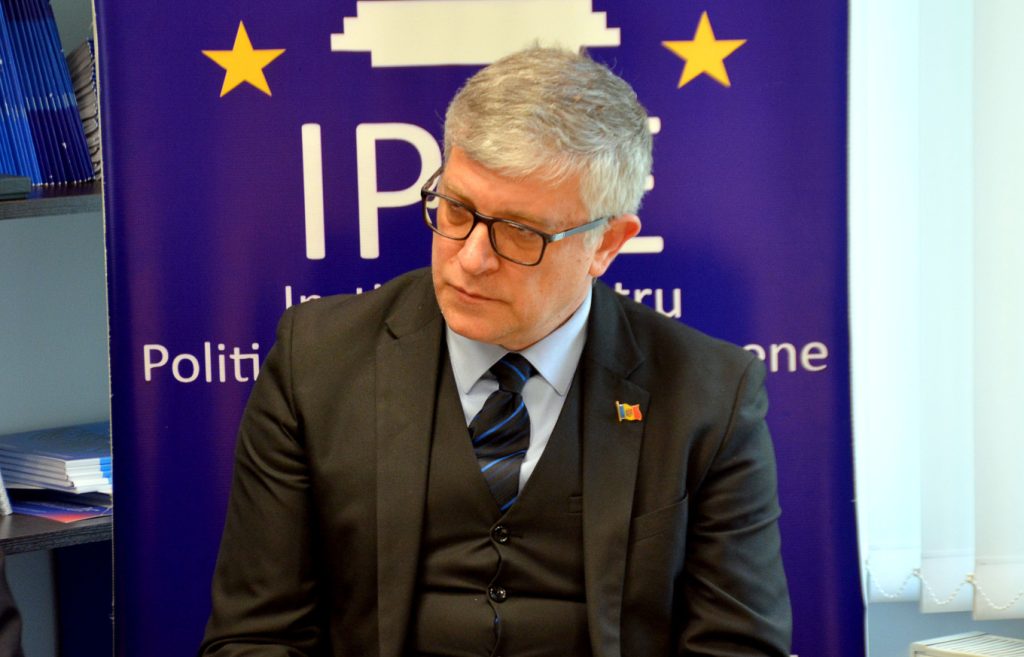
Lilian Apostol, State Secretary at the Ministry of Justice of the Republic of Moldova, said: “The vetting reform was designed as a gradual and adaptable process, and the current challenges also reflect limitations of situations that could not be fully anticipated from the outset. A sudden intervention would have risked destabilizing the entire justice system, which is why a phased approach was chosen to maintain institutional functionality and gradually increase credibility. At present, one of the main challenges is the system’s capacity to handle the volume of cases; however, the Ministry of Justice is addressing reform more broadly through complementary measures such as digitalization and procedural simplification. At the same time, recent amendments aimed to unblock certain processes and maintain the functionality of the evaluation mechanism without undermining the principle of consensus. It is important to allow these processes to evolve, and for final conclusions to be based on the opinions of competent institutions, so that the reform can be successfully completed.”
For more details, watch the full recording of the event here.
This event was organized within the project “Ensuring the Integrity, Efficiency, and Independence of the Justice System in Moldova – #Justice4Moldova,” funded by the European Union and co-funded by the Soros Foundation Moldova. This material was produced with the financial support of the European Union. Its content is the sole responsibility of IPRE. The content reflects the views of the authors and does not necessarily represent the views of the European Union.