Policy Brief: Moldova after Elections – Lessons, Stakes, and Strategic Directions
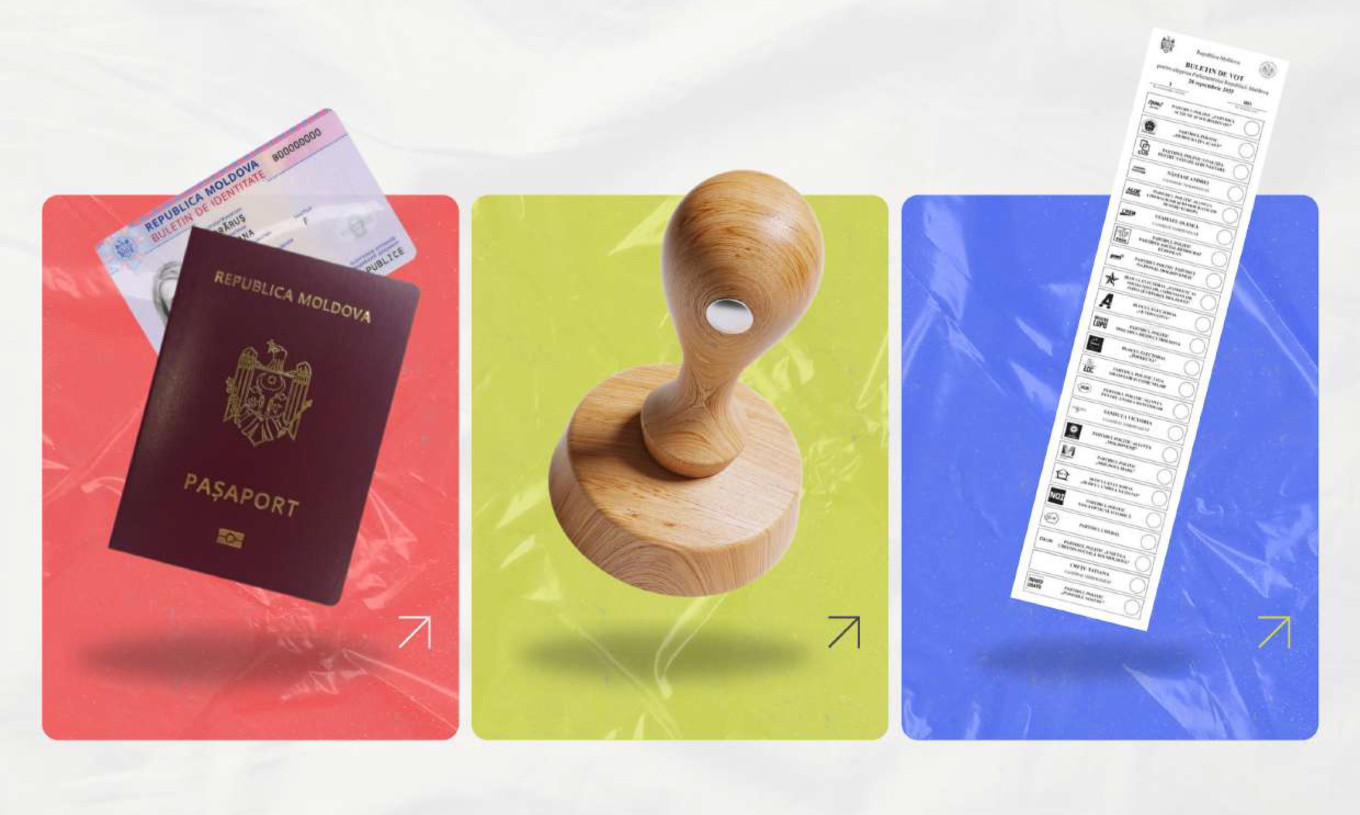
Moldova’s 2025 parliamentary elections were not only a domestic political contest but a structural stress-test of democratic consolidation under conditions of sustained hybrid interference and accelerated EU accession. The elections confirmed that procedural integrity alone is no longer the primary vulnerability. Moldova’s core exposure lies in low social trust, reform fatigue, and the fragility of the citizen-state relationship, including diaspora participation. This is one of the conclusions of the policy brief ”Moldova after elections – lessons, stakes, and strategic directions”, elaborated by Dr. Dorina Baltag, researcher at the Institute for Diplomacy and International Affairs in London and Inga Savin, development policy specialist.
The policy brief advances three central claims. First, hybrid interference is effective where trust deficits persist, converting economic grievances and identity cleavages into institutional delegitimation rather than manipulating electoral procedures. Second, EU accession will not be sustained by legislative compliance alone: reforms must generate a visible “resilience dividend” for citizens for the EU norms be socially internalized. Third, diaspora participation is one of Moldova’s strongest democratic assets yet remains vulnerable when mobilized electorally but not structurally integrated into governance.
Drawing on empirical evidence from the 2025 cycle, the brief identifies four key lessons: 1) resilience is produced through cross-sector coordination; 2) trust deficits are the primary vulnerability; 3) diaspora engagement must move beyond episodic mobilization; and 4) Europeanization without the social integration of EU norms risks reform fatigue rather than consolidation. Moving from lessons to strategy, the brief proposes a paradigmatic framework shift: democratic resilience should be treated as the enabling condition of democratic consolidation.
The recommendations translate this framework into targeted actions for the Government of Moldova, civil society and media, diaspora organizations, and European partners. The latter emphasize that durable consolidation depends on institutionalizing directions such as coordinated governance, inclusive participation, and strategic communication, transforming adaptive responses into stable governance routines. The strategic task is not merely to withstand shocks, but to institutionalize the adaptive capacities that make democratic norms durable under continued geopolitical pressure.
For more details, you can access the policy brief here.
This policy brief is produced within the framework of the “Democrația la Raport” project, implemented by the Noroc Olanda Foundation. The document is developed in partnership with IPRE, AO MentorMe, and the Promo-LEX Association, with financial support provided by International IDEA, the Government of the United Kingdom of Great Britain and Northern Ireland, the European Union, and the Embassy of Sweden in the Republic of Moldova. The content of this brief is the sole responsibility of the authors and does not necessarily reflect the views of the implementing, partner, or donor organizations.