
#Justice4Moldova Policy Dialogue on Justice Sector Salary Reform

On Wednesday, 14 May 2025, the Institute for European Policies and Reforms (IPRE) organized a policy dialogue titled “#Justice4Moldova on Justice Sector Salary Reform”. The event brought together experts, representatives of the Superior Council of Magistracy (CSM), the Superior Council of Prosecutors (CSP), and the National Institute of Justice (NIJ) to discuss current challenges and identify viable solutions for a fair and motivating salary system in the justice sector of the Republic of Moldova.
The discussion, moderated by Adrian Ermurachi, Executive Co-Director of IPRE, focused on the urgent need for a comprehensive reform of the salary system, considering existing discrepancies and their impact on the independence, integrity, and attractiveness of the professions of judge and prosecutor. Participants emphasized that an adequate salary system is essential to ensure the quality of justice and to combat corruption within the system.
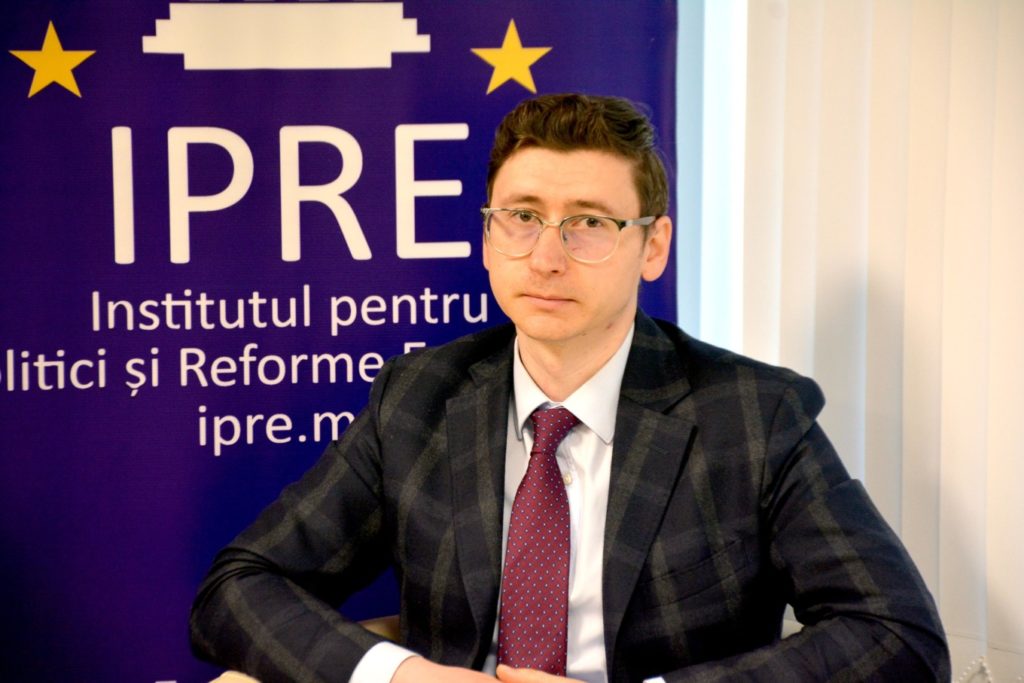
Pavel Cazacu, Member of the IPRE Justice Experts Group, stated: “In November last year, the Equality Council issued a call for amicus curiae opinions. The complaints concerned alleged cases of discrimination related to salary differences between judges and prosecutors. These differences stemmed from their status in relation to the extraordinary evaluation procedure. The IPRE Justice Experts Group decided to intervene with an opinion. We analyzed the legal framework, the social context, and non-discrimination standards. We identified two possible situations of discrimination, and some of our conclusions were taken up by the Equality Council. The first: the difference between those who have already passed the vetting and those who have not yet undergone it. The second: the difference between those who were positively evaluated and those not subjected to the procedure. In the first category, there are objective reasons for the discrepancy. It is not an unjustified imbalance between these groups. Even if salary differences appear, they reflect a phase in the process, not systemic discrimination. To formulate a grounded opinion, we analyzed vetting standards and the context of recent years. The external evaluation has a clear goal: to ensure the integrity of the judicial system. It is a unique and extraordinary process meant to restore public trust in justice. Surveys show widespread mistrust in the system. In this sense, vetting meets a legitimate need. The salary differences generated by this process may have an objective justification.”
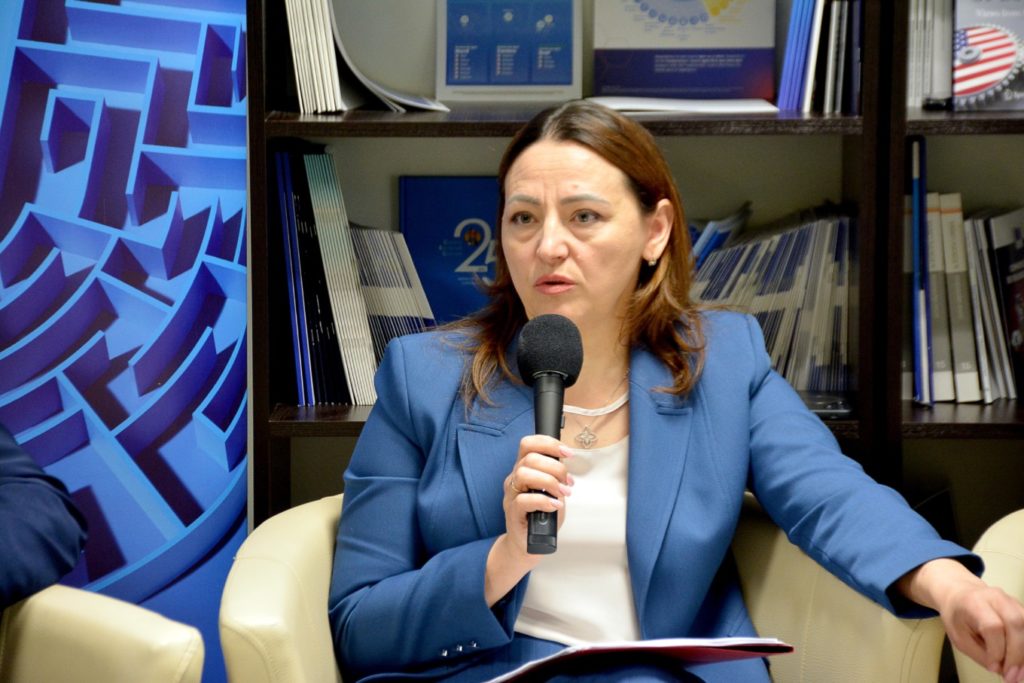
Aliona Miron, Member of the Superior Council of Magistracy, noted: “Obviously, any salary increase for judges is welcome. But if we look closely, we see it’s not a real increase. It is only an adjustment to inflation, based on a Constitutional Court decision. For years, this adjustment was not made at all. Between 2019 and 2023, there was no correlation between salaries and inflation. This is a legal obligation, not an act of generosity. Since 2014, judges’ salaries were correlated with the national average wage: first-instance judges received three average salaries, appellate courts four, and the Supreme Court five. This system functioned automatically, without political intervention. Later, a single salary system was reintroduced through Law 270. Since then, adjustments stopped. Judges’ salaries stagnated, despite legal obligations. Excellent young judges are considering resigning. Ongoing discussions about salaries are the only thing keeping them in the system. Not increasing salaries does not punish the corrupt, it punishes the honest. Honest judges receive low wages while the system is accused of corruption. We cannot expect results from a system where people are unmotivated. Salary adjustments are not a privilege, they are a condition for a functioning justice system.”
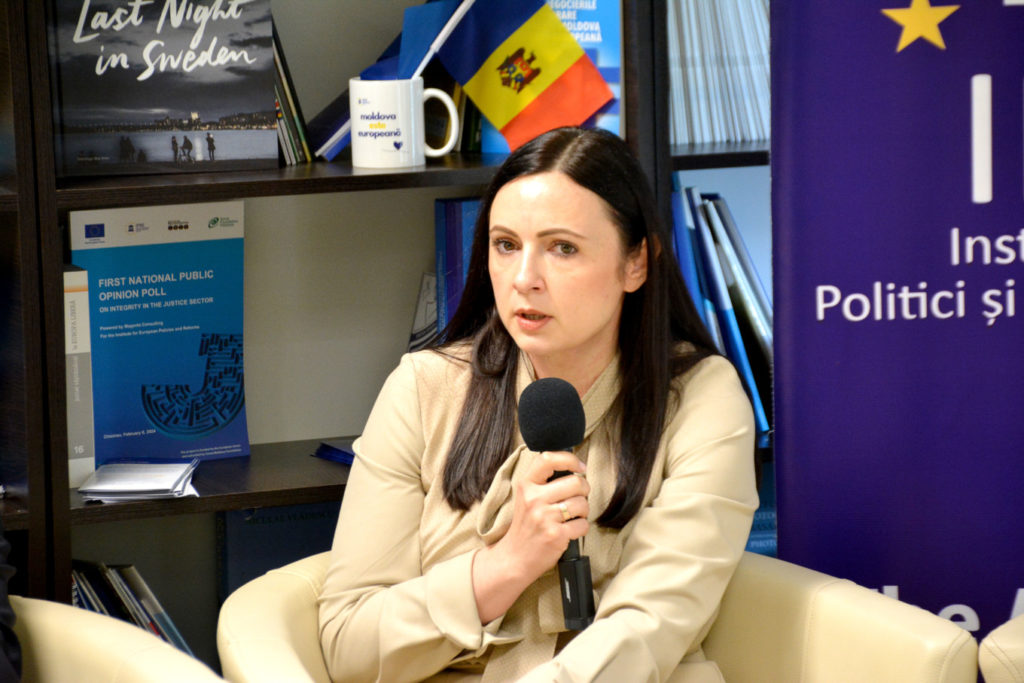
Aliona Nesterov, Member of the Superior Council of Prosecutors, said: “I wish we were joined by representatives of all branches of power, not just us—judges and prosecutors—who always end up discussing the problems. We are the ones affected, we are the ones raising awareness. I hope the justice system will stop talking about salaries, and the other branches of power will take on their responsibility to ensure judicial independence. It is not enjoyable to constantly talk about this, but we do it because we demand essential rights for a properly functioning justice system. We waited a year and a half for a Constitutional Court decision that, by law, was supposed to be issued in six months. Even though the authorities were obliged to implement it that same year, they ignored it, despite finding resources for other categories of public employees. This is not about impossibility—it is about intentional refusal. While we were told there was no money, the state budget law was amended five times to provide salary bonuses in other sectors. That is nothing but selective treatment. Therefore, we have asked the High Court to apply the legal mechanisms ensuring the enforcement of its rulings, because otherwise judicial independence remains only an ideal, not a reality.”

Ramona Strugariu, Director of the National Institute of Justice, commented: “Discussions about salaries in the justice sector are often handled dryly, from a macroeconomic perspective. What is forgotten is that, for judges and prosecutors, salary is a guarantee of independence, not just a financial reward. This profession doesn’t bring wealth, nor should it. But without decent living conditions and predictability, the system risks losing exactly the people it needs. The National Institute of Justice is seeing fewer and fewer candidates interested in joining the system. The pace is demanding, the workload is enormous, and the end of the path offers no clear guarantees. Graduates are left in uncertainty, which is unacceptable for such an important profession. We need a predictable pathway and direct entry into the system after graduation. Romania already offers this model: the trainee becomes part of the system, with a salary and social rights. That’s what real justice reform looks like—one that starts with decent conditions for professionals. The profession of judge or prosecutor is, above all, a vocation. It’s not for everyone, nor should it be seen as just a career. Those who lack moral grounding may be tempted to cross professional boundaries, regardless of salary. Meanwhile, those with integrity need real support to remain in the system. If they are not offered guarantees of independence and decent salaries, they will choose other paths.”
For more details, you can rewatch the video recording of the event here.
This event was organized within the project “Ensuring the integrity, efficiency and independence of the justice system in Moldova – #Justice4Moldova, funded by the European Union and co-financed by the Soros Foundation Moldova. This material was produced with the financial support of the European Union. Its content is the sole responsibility of IPRE. The views expressed do not necessarily reflect those of the European Union.