
#Justice4Moldova Policy Dialogue on the New Map of the Prosecutor’s Office

The challenges and opportunities arising from the recent reorganization of the map of prosecutor’s offices in the Republic of Moldova were the main topic of the #Justice4Moldova public policy dialogue organized on Thursday, 17 April 2025, by the Institute for European Policies and Reforms (IPRE). The event brought together experts, representatives of key justice sector institutions, and development partners to analyze the impact of reducing the number of territorial prosecutor’s offices from 36 to 14 and to identify solutions for the effective implementation of the reform.
The discussion, moderated by Mihail Gorincioi, lawyer and IPRE associate expert, took place in the context of an order issued by the Prosecutor General on 24 January 2025, establishing the new structure of the prosecution system, aiming to improve resource use, enhance management, and ensure equitable access to justice.
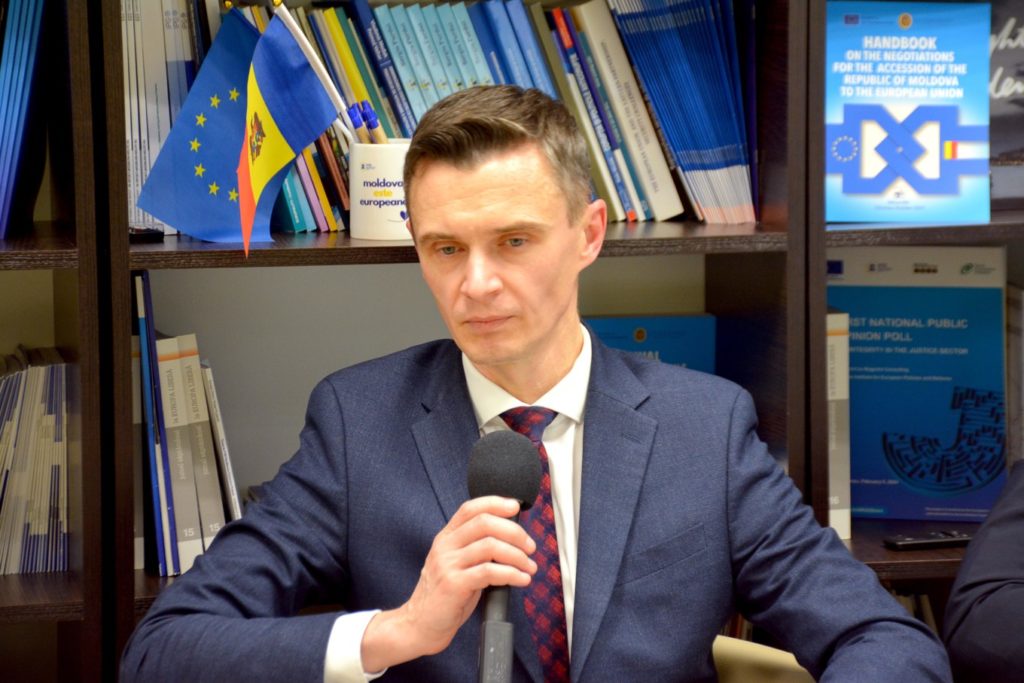
Sergiu Russu, Deputy Prosecutor General of the Republic of Moldova, stated: “The reorganization of the judicial map was not just an idea, but a firm commitment. It was assumed from the moment of the Prosecutor General’s candidacy. We resonated with this vision and actively supported it. It became a starting point for the reform of the prosecution system, and aligning it with the structure of the courts was not only logical but necessary. For ten years, the courts moved forward, while the prosecution lagged behind. It’s essential that the map of prosecutor’s offices corresponds to that of the courts. We cannot continue with an outdated structure just because we’ve grown used to it. Some local leaders have become symbols of the status quo, and reforms inherently involve discomfort. Even relocation or travel can become an obstacle. That’s why compensating transport costs was vital. We also solved a pressing issue: the lack of mid-level managers. For years, no one applied to the competitions. Those eligible refused to relocate to more remote areas. Now, the main offices are in key locations, and prosecutors have more flexibility and openness. The reorganization was not just administrative, but one that activated previously untapped human resources.”
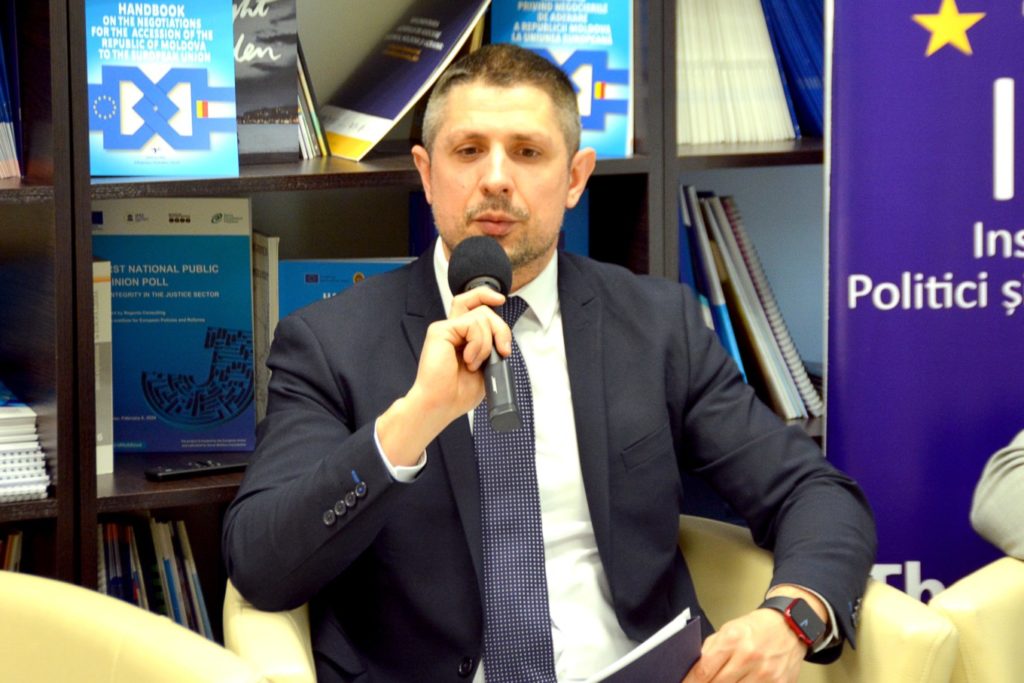
Vladislav Cojuhari, Secretary General of the Ministry of Internal Affairs of the Republic of Moldova, noted: “The Republic of Moldova has approved a development strategy for internal affairs, with phased actions planned until 2030. The strategy is supported by six sectoral programs and sets clear objectives. The Ministry of Internal Affairs’ activities have focused on these goals. The entire government team has been actively involved. An integrated approach is essential when the state develops services with dual subordination. Two of the six general objectives are the reengineering of the public order and security system and the digitalization of processes. These directions must be viewed as a whole. Today, we are obliged to implement digitalization for accuracy and efficiency. Digitalization is the best weapon for integrity. It combats corruption and improves systems. This process must be supported at all levels.”
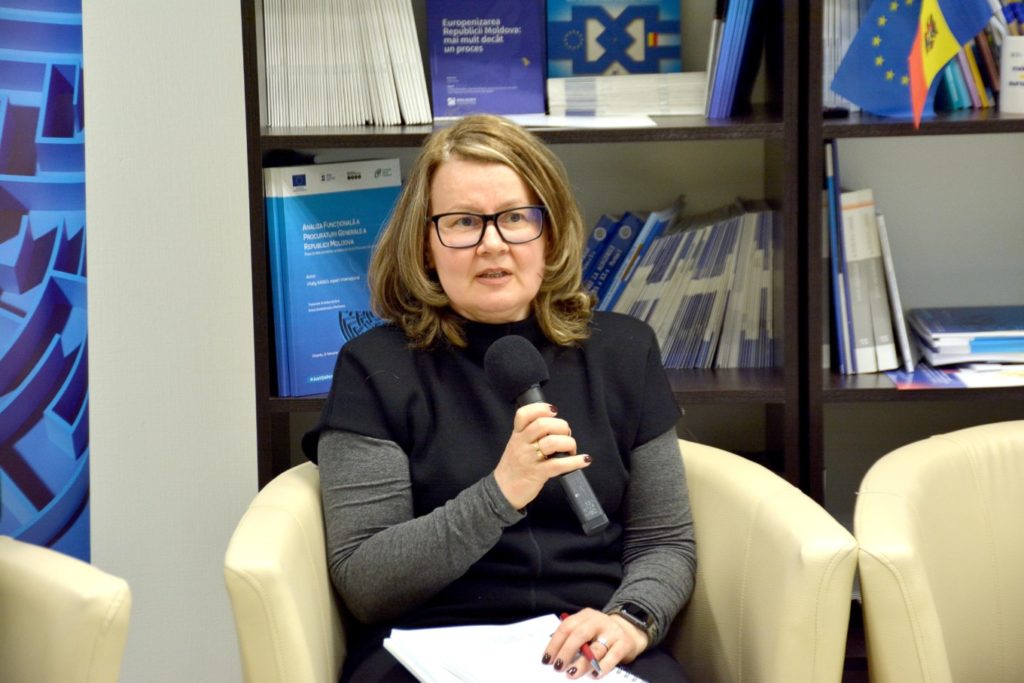
Gabriela Scutea, EU High-Level Adviser on Justice and Prosecution, said: “The reorganization of territorial prosecution offices was not only necessary but also long-awaited. It follows the 2016 court reform, creating a logical alignment of jurisdictions. This rational allocation allows for better application of judicial organization principles. In Moldova’s context, it’s not only about efficiency but also about adaptability to changes in competencies. With the same people, performance must be achieved, regardless of how complex the activity becomes. This is a challenge that involves strategic vision and effective human resource management. The reform comes at a critical moment, just before EU accession negotiations. It’s a chance to show that Moldova doesn’t just adopt laws—it implements them effectively. The EU asks not only for written rules, but also clear data on their implementation. This means we must know exactly what we’re doing, how we’re doing it, and with what results. The ability to collect and interpret statistical data becomes an evaluation criterion. It’s a new kind of responsibility – one toward Europe, not just the citizens.”
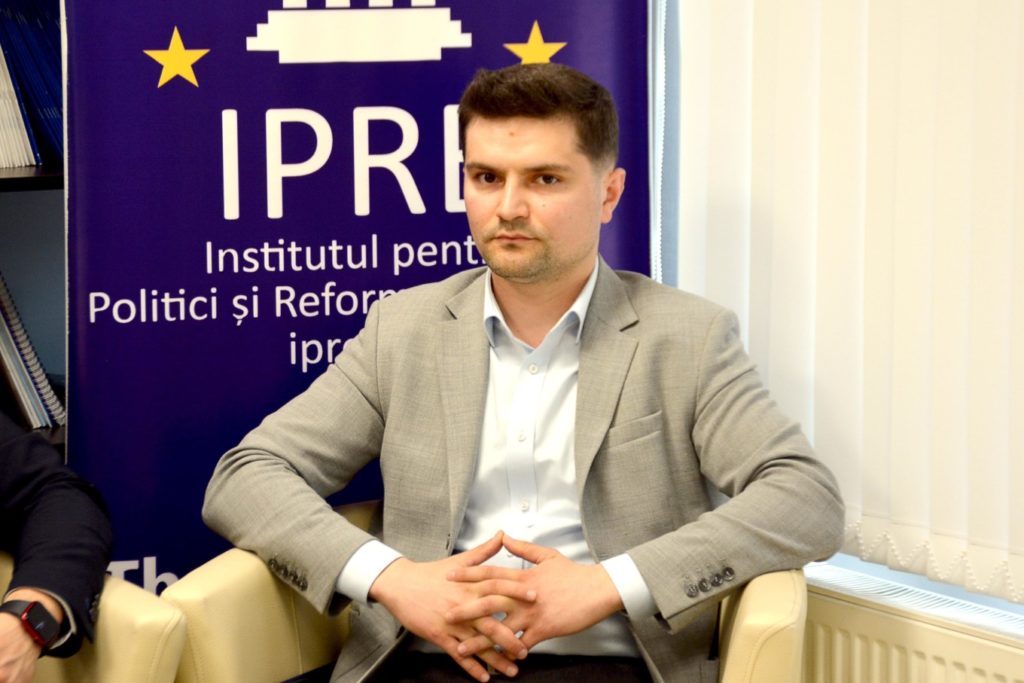
Petru Istrati, Member of the IPRE Justice Expert Group, commented: “Today I bring a different, perhaps more critical, perspective. I want to draw attention to how the prosecution reform was implemented. This reform was already decided, without visible public consultation. There were no widely publicized or transparent debates. We recall that in the case of the court system, the process lasted two years and involved extensive consultations. Here, in contrast, things happened in an extremely short time. This new map of the prosecution system also involves significant logistical challenges. It’s not just about the organizational chart, but about physical spaces, personnel, and infrastructure. If only one courthouse has a newly built headquarters, the rest are still at the stage of identifying land. We cannot speak of efficiency without adequate working conditions, as prosecutors need offices, equipment, IT networks, and human resources. Without these, the reform risks remaining superficial. The prosecution lies at a critical junction of the system. It links the courts with law enforcement and has implications not just for justice, but also for public safety and security. For this reason, any change must be thoroughly grounded. We’re not just talking about bureaucratic reorganization, but about the impact on the rule of law. It’s essential that civil society closely monitors this transition.”
For more details, watch the video recording of the event in replay here.
This event was organized within the project “Ensuring the integrity, efficiency and independence of the justice system in Moldova – #Justice4Moldova, funded by the European Union and co-financed by the Soros Foundation Moldova. This material was produced with the financial support of the European Union. Its content is the sole responsibility of IPRE. The views expressed do not necessarily reflect those of the European Union.