
Policy Dialogue #Justice4Moldova on the Draft Law Amending Certain Normative Acts (strengthening the criminal liability of legal persons and sanctioning violations of international restrictive measures)

The Institute for European Policies and Reforms (IPRE) organized on Monday, 22 December 2025, a policy dialogue #Justice4Moldova on the draft law amending certain normative acts (strengthening the criminal liability of legal persons and sanctioning violations of international restrictive measures). The event brought together experts, representatives of public authorities, legal professionals, law enforcement institutions, and civil society to examine the legislative, institutional, and practical implications of the draft law.
Moderated by Stanislav Ghilețchi, Deputy Director of IPRE, the discussion focused on analyzing the legislative, institutional, and practical implications of the draft law in the context of the accelerated process of harmonizing the legislation of the Republic of Moldova with European Union standards and advancing on the EU accession agenda. Particular emphasis was placed on the conclusions of the Opinion previously formulated by IPRE’s Justice Expert Group (JEG), which highlighted both progress in aligning with European standards and the need for further clarifications to ensure predictability, proportionality, and transparency in the application of the new rules.

Angela Popil, Member of the Justice Expert Group (JEG), stated: “Indeed, we analyzed the draft law developed by the Ministry of Justice in 2025, which aims at the initial transposition of four international instruments, particularly European Union directives, regulating the liability of legal persons for criminal offenses across the full range of crimes provided for by the criminal law of the Republic of Moldova. The draft law proposes amendments to the Criminal Code and the Criminal Procedure Code, providing the necessary tools for more effective implementation of Law No. 25 of 2016 on violations of international restrictive measures. Our recommendations focused primarily on the need to clarify and eliminate certain terminology used, so that it is very clear how the new rules apply with regard to the criminal liability of legal persons and the aspect related to violations of international restrictive measures. It is essential that these norms are clear and applicable in practice, in order to avoid ambiguities in their application.”

Stanislav Copețchi, State Secretary at the Ministry of Justice of the Republic of Moldova, declared: “First of all, the Ministry of Justice thanks the IPRE team and the group of experts who, whenever the Ministry launches a draft normative act, provide support and constructive criticism, thus contributing to the improvement of legislative drafts. Essentially, the draft improves criminal, criminal-procedural, and enforcement legislation regarding the criminal liability of legal persons and the application of sanctions. We are transposing four EU instruments: two Council framework decisions and two directives, including those on combating corruption in the private sector, combating racism and xenophobia, and preventing money laundering. One of these instruments is relatively new, and most European states have not yet fully transposed it. International restrictive measures have been regulated since 2016, and now increased attention is being paid to their effectiveness. Thus, the Republic of Moldova has committed to transposing the directives and eliminating existing legislative gaps. We identified vulnerabilities in the transposition within the Criminal Code and the law on restrictive measures, as well as in the Contraventional Code. Therefore, the Ministry of Justice decided to address these issues in a more comprehensive manner, including through sectoral regulations and by strengthening contraventional liability.”
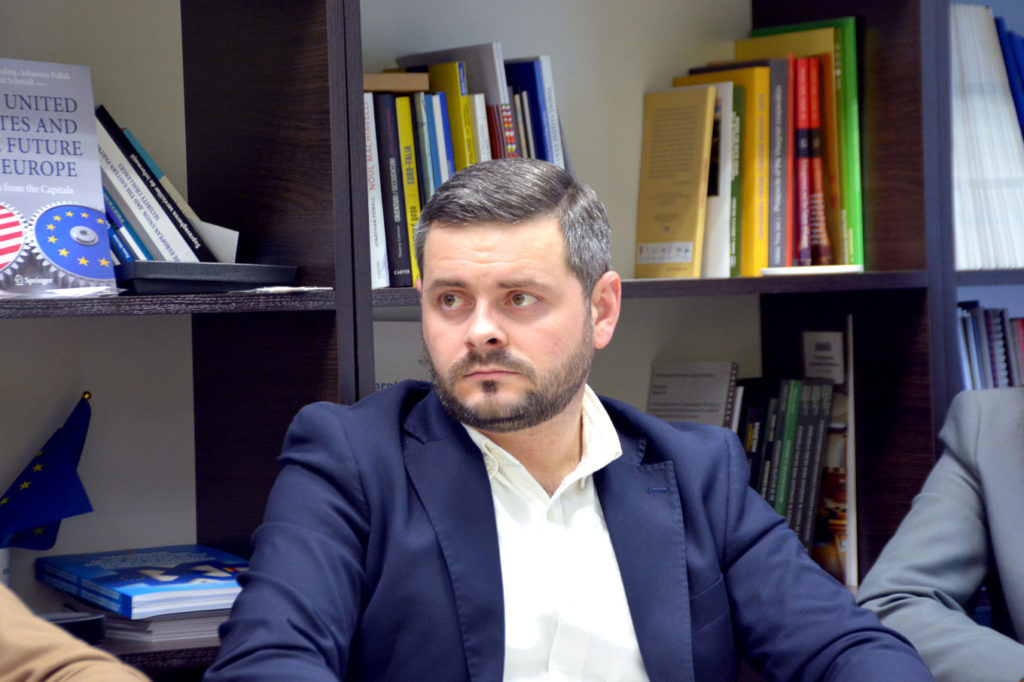
Vasile Grejdieru, Head of the Legal Department of the Ministry of Internal Affairs of the Republic of Moldova, emphasized: “Conceptually, we are concerned by the fact that certain responsibilities related to the enforcement of sentences against legal persons are being introduced into the remit of the police, without a clear legal basis for these duties. Moreover, there are no clear operational procedures to guide police actions. For example, according to Article 280 of the Enforcement Code, the probation body is to send the conviction judgment to the police body regarding control over its enforcement. However, Law No. 320 on police activity and the status of the police officer establishes the clear duties of the police, and these do not include responsibilities for monitoring the execution of sentences. We believe that representatives of the State Tax Service or authorized administrators should also have participated in this discussion, as certain complementary penalties are applicable to legal persons through the responsibility of administrators. However, the mechanism and mode of operation of these responsibilities are not clearly defined.”
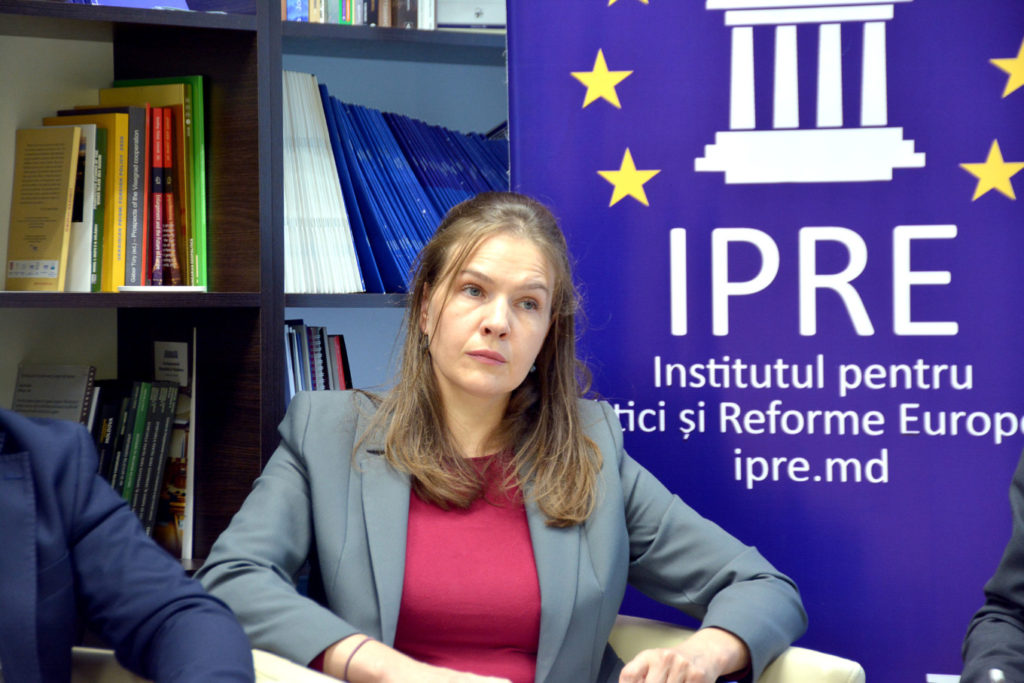
Olga Ionaș, Prosecutor in the Legal Assistance and International Cooperation Division of the General Prosecutor’s Office of the Republic of Moldova, stated: “According to the draft law, we found that the provisions of the two framework decisions and the directive are transposed very precisely. Other provisions that were not included in the draft were already regulated in our criminal and criminal-procedural legislation. The proposals of the Prosecutor’s Office, submitted through the first and second opinions, were largely accepted by the Ministry of Justice, except for some less essential aspects. I agree with the position of the Ministry of Internal Affairs. The provisions of the Criminal Procedure Code are in line with EU acts, but special attention must be paid to their practical implementation. It is essential to clearly establish to whom information is transmitted and which institution has which responsibilities, so that the purpose of criminal law is achieved, both for courts and for prosecutors.”
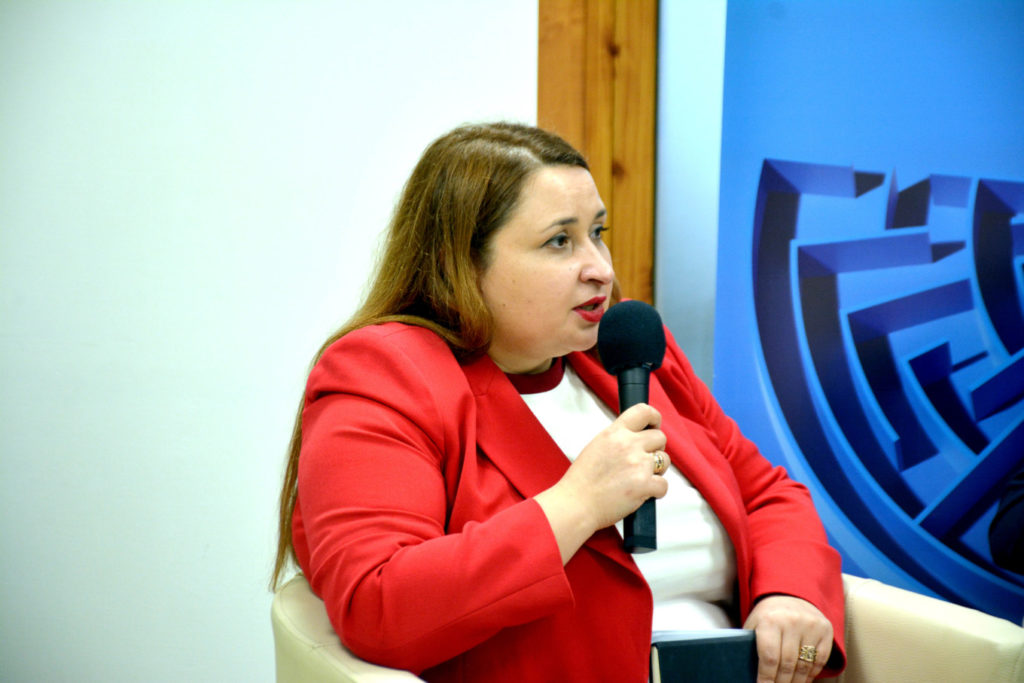
Livia Mitrofan, Member of the Superior Council of Magistracy, commented: “In recent years, there has been an increase in crimes committed by legal persons. Legislatively, we have regulations, but they are outdated and do not reflect current realities, especially regarding penalties. There are three forms of penalties or procedural coercive measures applicable to legal persons, including for electoral corruption offenses or corruption in general. This draft law is not only welcome, but imperative, and it must be discussed and adopted by the end. When discussing the concept, no one disputes the need to adopt this draft.”
For more details, please watch the video recording of the event here.
This event was organized within the project “Ensuring the integrity, efficiency and independence of the justice system in Moldova – #Justice4Moldova, funded by the European Union and co-financed by the Soros Foundation Moldova. This material was produced with the financial support of the European Union. Its content is the sole responsibility of IPRE. The views expressed do not necessarily reflect those of the European Union.