Over 100 National and International Experts Participated in the European Think-Tank Conference in Chișinău

The Institute for European Policies and Reforms (IPRE), with the support of the European Union and the German Marshall Fund of the USA – Transatlantic Foundation (GMF-TF), organized the European Think-Tank Conference on Friday, June 27, 2025, titled “Defending Democracy and Advancing EU Enlargement: Deepening European Integration in a Changing Geopolitical Landscape.”
The event brought together over 100 participants, including officials, representatives of public authorities, research centers, civil society organizations, and academia from the European Union, the United States of America, the Republic of Moldova, Ukraine, and the Western Balkans.
The conference featured thematic workshops and panel discussions on safeguarding electoral processes in the context of the 2025 parliamentary elections, as well as the future of EU enlargement.
The conference opened with a keynote speech by Cristina Gherasimov, Deputy Prime Minister for European Integration of the Republic of Moldova, titled: “Reform, Resilience and Resolve: Moldova’s European Path.”
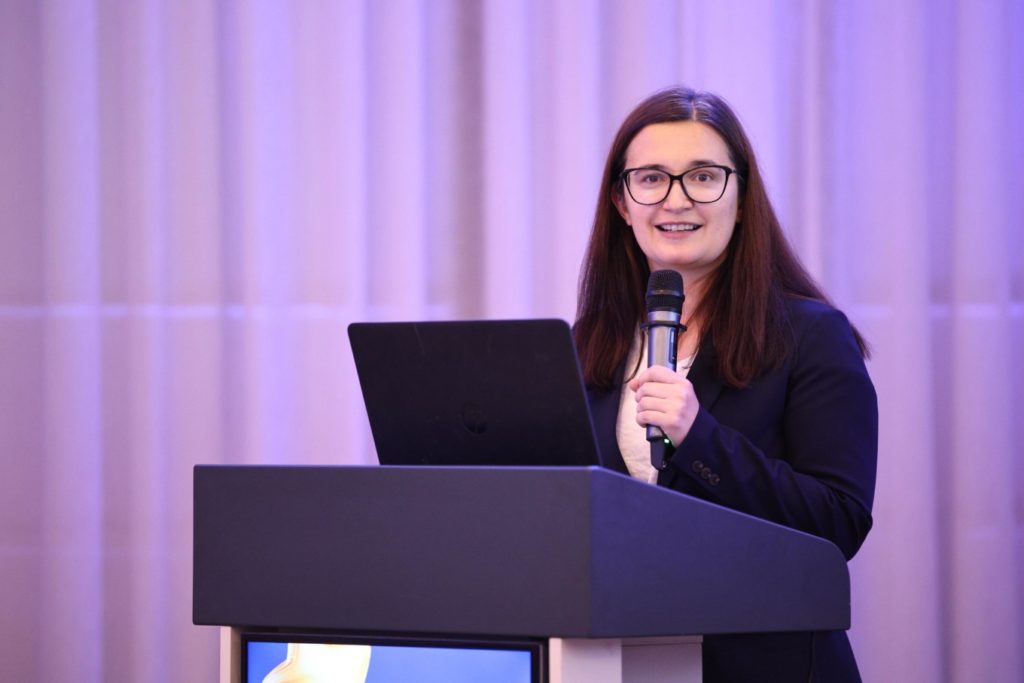
“We all know that the European choice is existential for our country. It is the choice of a country that has experienced poverty, corruption, and fear. It is the choice of a state learning to rely on rules, transparency, and cooperation. But most importantly, it is about securing a peaceful future. A peace that cannot be guaranteed unless we belong to a family of states that share the same values—and who support each other in the most difficult moments. As Deputy Prime Minister for European Integration, I can openly say that we wouldn’t have come this far without your contribution. The expertise you provide, the constructive pressure, and your innovative ideas are essential. They come not only from within the government but also from outside and complement our efforts. Moldova has made rapid progress in the integration process thanks to this partnership. Civil society’s contribution is both real and profound. Together, we maintain a critical and honest dialogue that is vital for effective public policy,” said Cristina Gherasimov.
The main panel discussion of the European Think-Tank Conference 2025, moderated by Iulian Groza, Executive Director of IPRE, addressed the EU enlargement process and ways to build broader consensus and support for candidate countries.
Below are a few highlights from the speakers’ interventions:
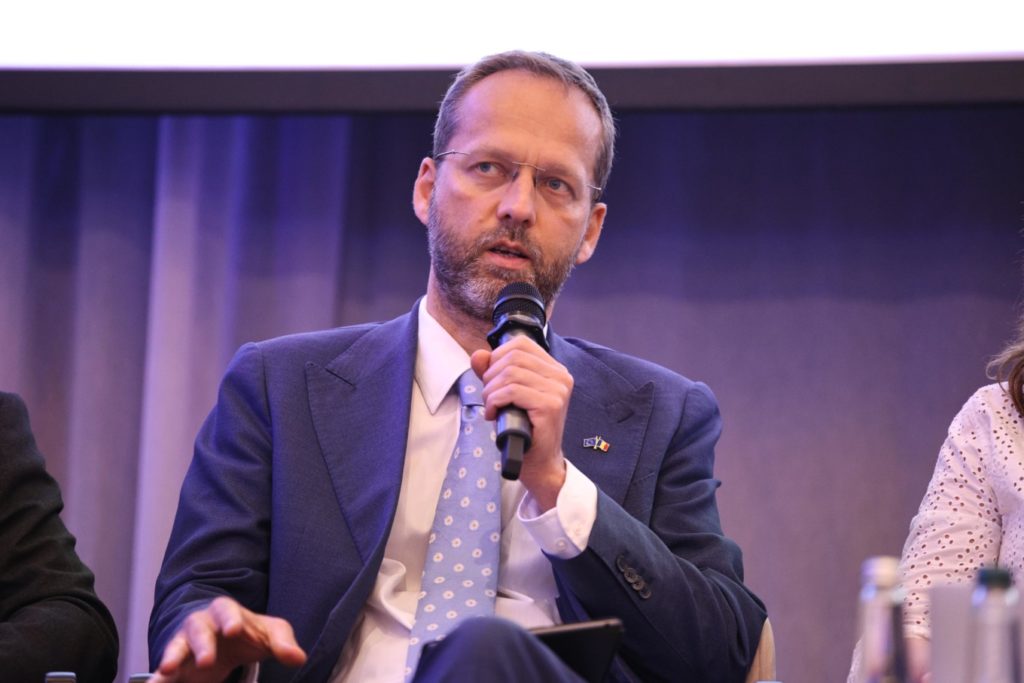
Jānis MAŽEIKS, EU Ambassador to the Republic of Moldova: “Moldovan citizens will decide in the September elections whether the European course pursued over the past three years will be maintained. We’ve seen countries that seized this opportunity—and others that slowed down or reversed course. It would be a historic mistake for Moldova to go backward. We must also consider the context of external interference. Russia is not pleased with Moldova’s chosen direction. We can expect attempts to influence the elections through vote-buying or disinformation. The accession process must be not only fast but also credible. Moldova must be fully prepared to meet the obligations of EU membership. That’s why I encourage everyone to read the EU documents. Many ask why we don’t criticize Moldova more—my answer: ‘Read the enlargement report.’ There you’ll find all our criticisms, including those informed by civil society.”
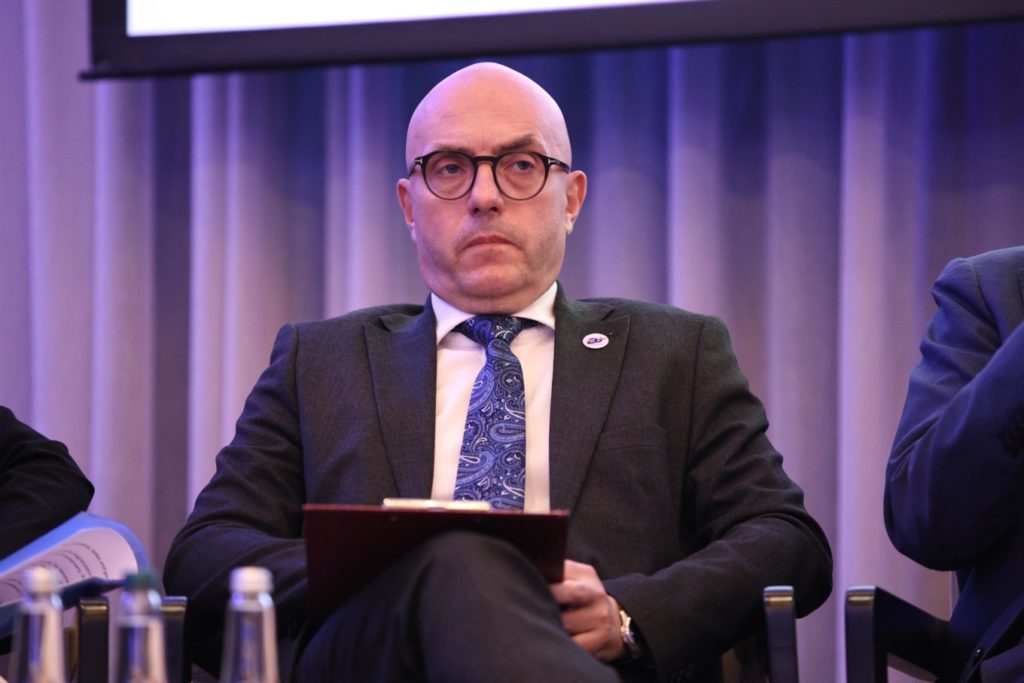
Tomasz KOBZDEJ, Polish Ambassador to the Republic of Moldova: “Despite the months-long blockage affecting Ukraine and indirectly Moldova, Poland’s position was clear: this blockade goes against the EU’s security interests. We see enlargement as part of Europe’s security. We actively supported the EU–Moldova relationship. Moldova’s Economic Growth Plan is a success, and its implementation was largely supported by Poland’s active presidency. We supported Moldova’s negotiation team, including through Polish government-funded training programs. Our accession-era negotiators are still active, offering Moldova direct access to their experience—for instance, at the College of Europe in Natolin. This is a unique opportunity to learn from our journey.”
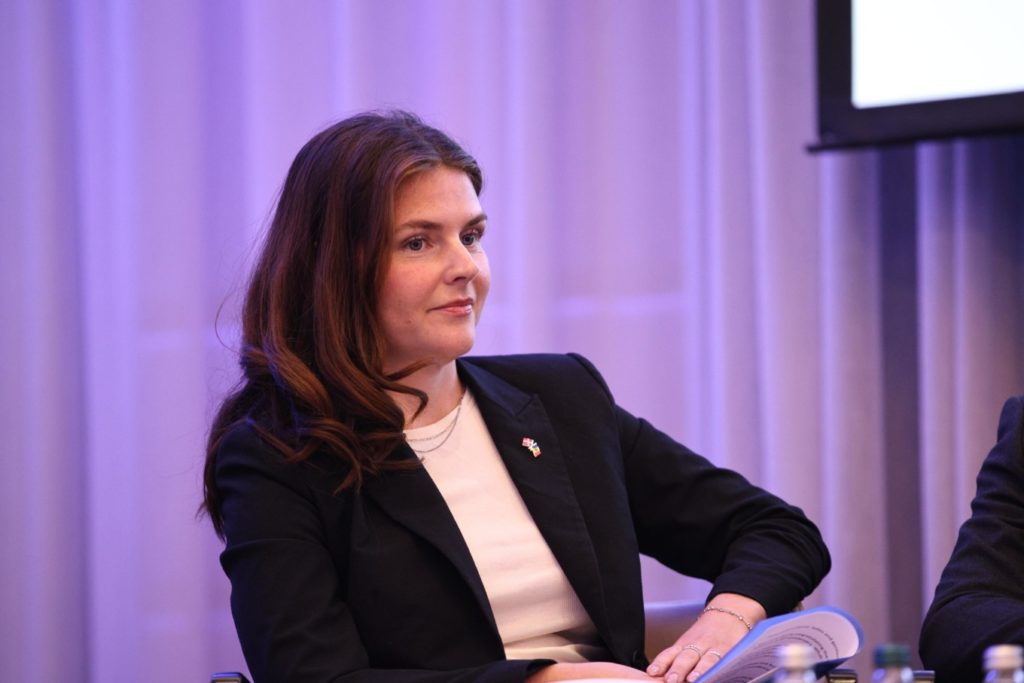
Jasmin FRENTZEL SORENSEN, Deputy Head of Mission, Embassy of Denmark in Moldova: “A secure Europe means stronger defense, ongoing support for Ukraine, democratic resilience, and merit-based enlargement. Enlargement is the only way to stabilize the continent and strengthen the resilience of countries vulnerable to unwanted foreign influence. While Ukraine is driving this process, Denmark will actively support Moldova’s and the Western Balkans’ negotiations. The EU must also prepare internally—reforming institutions and safeguarding values and the rule of law. Denmark supports Moldova just as it did the Baltic States and Poland in the 1990s. We also actively promote initiatives for human rights, rule of law, and democracy, especially through local partners. A vibrant civil society is essential to cohesion, and we support youth, women, and the NGO sector.”
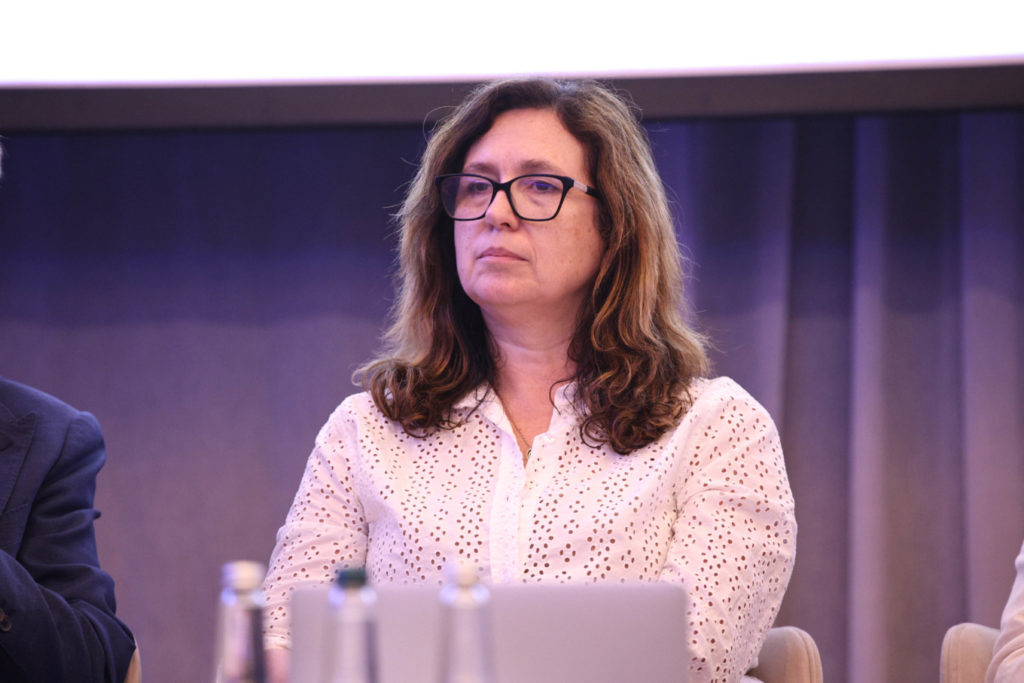
Kerry LONGHURST, Jean Monnet Professor, Civitas University, and Editor of the Eastern Partnership Index: “The Eastern Partnership Index is a crucial publication—rich in valuable data. It serves as a helpful alternative to the EU’s official country reports and enlargement assessments. These tools foster stronger collaboration between researchers and civil society. The pace of enlargement forces think tanks and civil society to rethink how they work. It’s no longer enough to analyze policy—we must also anticipate and shape it. We must shift from reaction to action. Research centers often work in silos—it is essential to build transregional networks, including with the Western Balkans. The current momentum reminds us of the pre-accession period in 2004—this is a historic opportunity to build a wider expert community.”
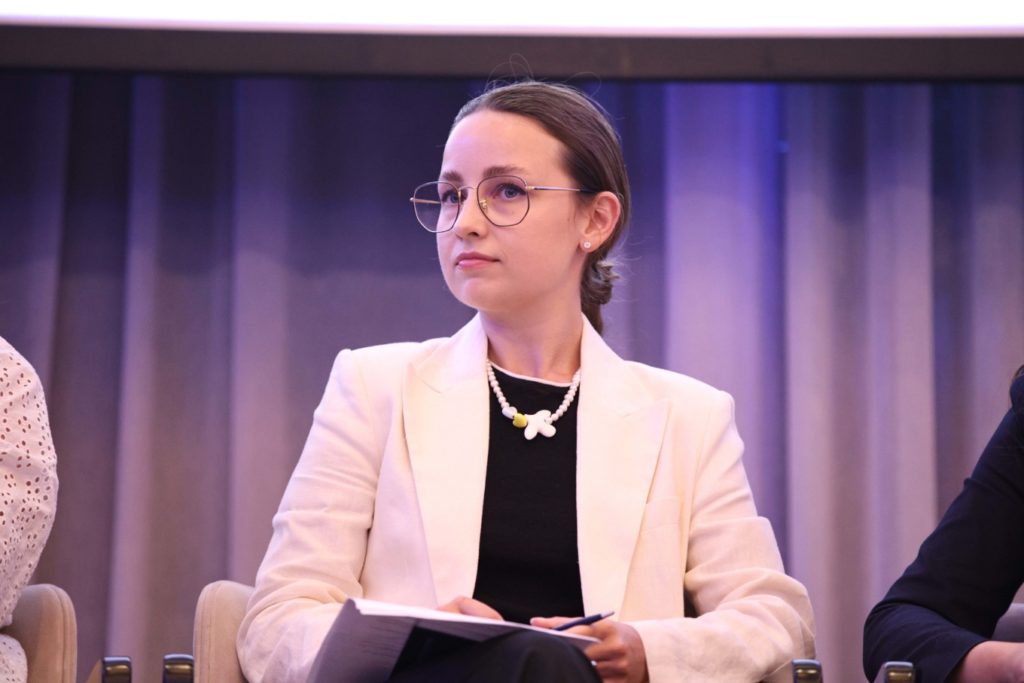
Kateryna MUSIIENKO, Senior Foreign Policy Expert, National Interests Advocacy Network, Kyiv, Ukraine: “June is a symbolic month for both Ukraine and Moldova. On 23 June 2022, we were granted candidate status—an historic and hopeful moment. Two years later, on 25 June 2024, accession talks began. We had hoped the first clusters would also open this month. Still, the European Council’s conclusions were positive. For us, the next steps in the accession process are a matter of trust in the EU. We’ve endured over 1,200 days of missile and drone attacks. This is about justice and collective security. Since 2014, we’ve learned that hesitation fuels aggression. Where there’s no clear strategic policy, Russia fills the void. This is not just about our ambition—it’s about defending the European project.”
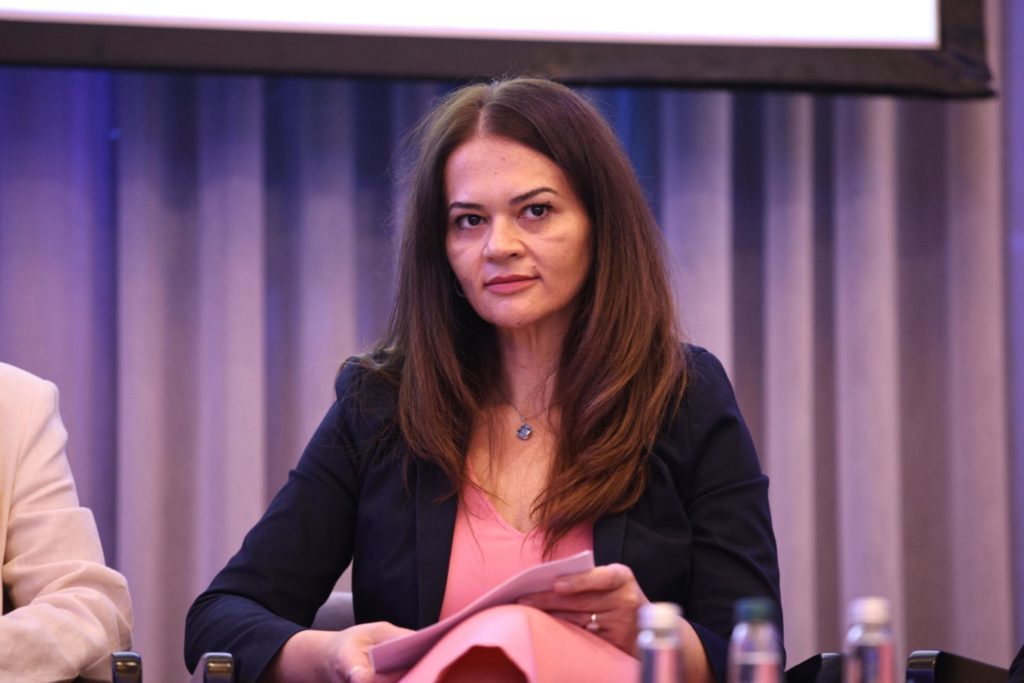
Drita ABDIU-HALILI, former Deputy Chief Negotiator for EU Integration, North Macedonia: “In the Western Balkans, we’ve been on this path for some time. Yet new roadblocks keep appearing. Enlargement is never easy—geopolitics and domestic reforms complicate it. But certain truths remain constant. These lessons can be valuable for Moldova and Ukraine. One of the biggest obstacles has been the lack of real reforms—especially in rule of law, judicial independence, public administration, and anti-corruption. We’ve learned that enlargement is as political as it is technical. The rules won’t change or soften—we must simply apply them. Accession doesn’t happen only in Brussels—it must be lived at home, every day.”
For more details, the full recording of the event is available here.
The European Think-Tank Conference was organized by IPRE, with the support of the European Union and the German Marshall Fund of the USA – Transatlantic Foundation (GMF-TF), as part of the project “Promoting Moldova’s EU Accession through Advocacy Action.”