#Justice4Moldova Policy Dialogue on Draft Law No. 40/2025 on the Anti-Corruption and Organized Crime Prosecution Office (PACCO)

The Justice Experts Group (JEG) within the Institute for European Policies and Reforms (IPRE) organized a #Justice4Moldova Policy Dialogue on Friday, 14 March, 2025, regarding Draft Law No. 40/2025 on the Anti-Corruption and Organized Crime Prosecution Office (PACCO).
The discussions, moderated by IPRE’s Co-Executive Director, Adrian Ermurachi, focused on debating the Position Paper on Draft Law No. 40/2025 regarding the Anti-Corruption and Organized Crime Prosecution Office (PACCO) developed by JEG. The draft law proposes the reorganization of the existing specialized prosecution offices by merging the Anti-Corruption Prosecution Office and the Prosecution Office for Combating Organized Crime and Special Cases. During the debate, JEG experts highlighted several deficiencies and risks, including the impact on prosecutors’ independence, the lack of a proper impact assessment, and risks associated with the transition period.
Below are some key remarks from the speakers.
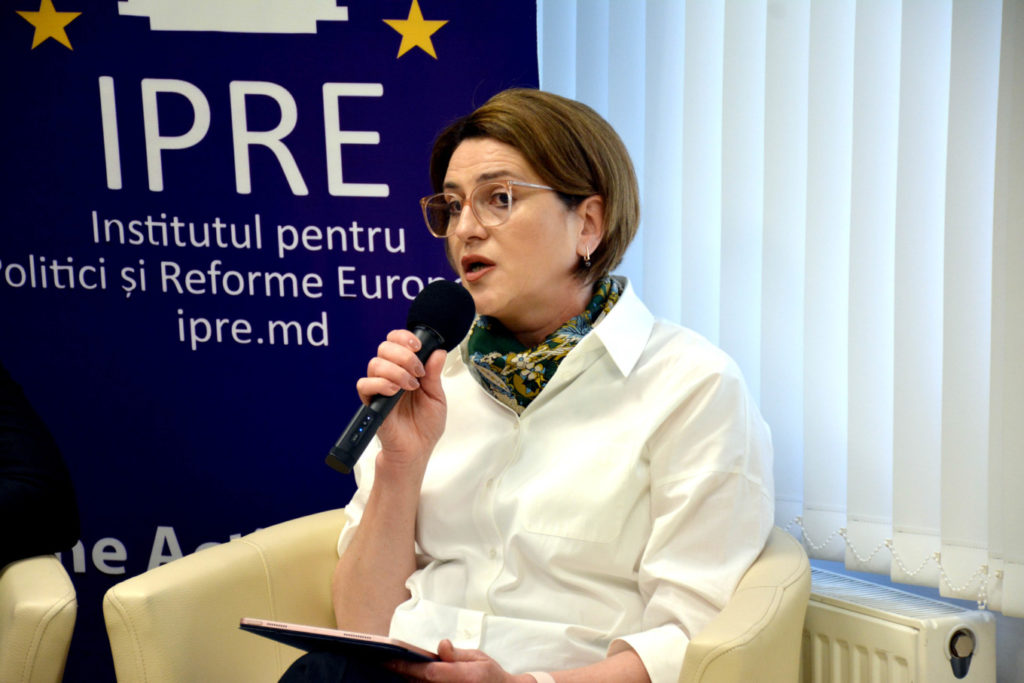
Angela Popil, Member, Justice Experts Group, IPRE: “From our perspective, this draft law should not move forward. As of today, there is no justification for reorganizing the prosecution system in the manner proposed by this draft law. This initiative does not align with state-adopted policy documents, nor is it reflected in the strategy for justice reform and the strengthening of judicial independence. On the contrary, when discussing the consolidation of the independence of prosecution bodies, particularly the prosecution system, the strategy includes measures and objectives aimed at strengthening both the Anti-Corruption Prosecution Office and the PCCOCS. Correspondingly, tasks and actions have been assigned to the authorities to ensure that by the end of 2025, the objectives of this strategy are met. The prosecution map, which was recently approved or modified by the Prosecutor General, does not include this legislative initiative. Thus, the draft law, which has already passed its first reading, does not fit into any of these action plans currently being implemented. This draft does not offer sustainable solutions for strengthening the fight against political corruption and illegal party financing, nor does it provide clear solutions for combating organized crime. In my opinion, if this draft law continues to move forward in its current form, as adopted in the first reading by Parliament, it will actually do a disservice to society, the state, and the entire justice system.”
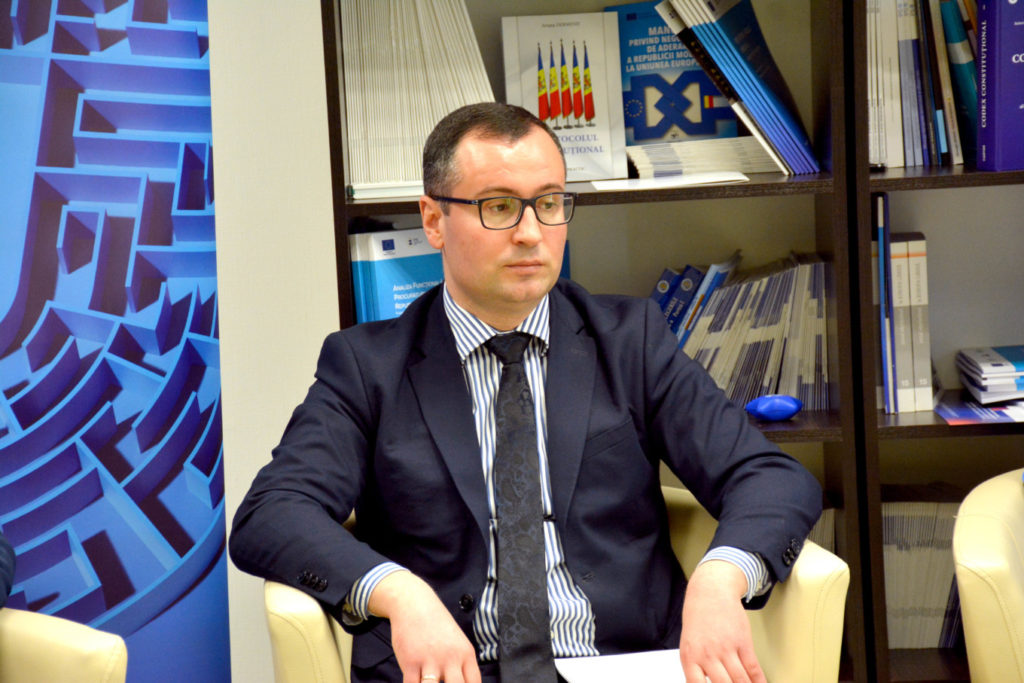
Stanislav Copețchi, State Secretary, Ministry of Justice of the Republic of Moldova: “The Ministry of Justice, the Government of the Republic of Moldova, and, in general, our state remains firmly committed to the fight against corruption. This objective remains a priority, and efforts to combat this phenomenon must continue through well-thought-out policies and the active involvement of competent institutions. It is not only the Ministry of Justice’s responsibility to promote anti-corruption policies; Parliament also has legislative initiative powers. In this regard, the adopted initiative is not arbitrary but is based on strong political and legal premises, as reflected in the explanatory note. Recent electoral processes and Constitutional Court rulings have highlighted dysfunctions within law enforcement institutions that must be addressed. A reconfiguration of the institutional framework is necessary to ensure the efficiency of the fight against corruption. The Ministry of Justice has analyzed various scenarios in record time, including the merger of certain structures, but Parliament has proposed a different concept. A thorough risk assessment, including ensuring the continuity of high-level corruption cases, is essential to ensure that these reforms bring real benefits to citizens.”
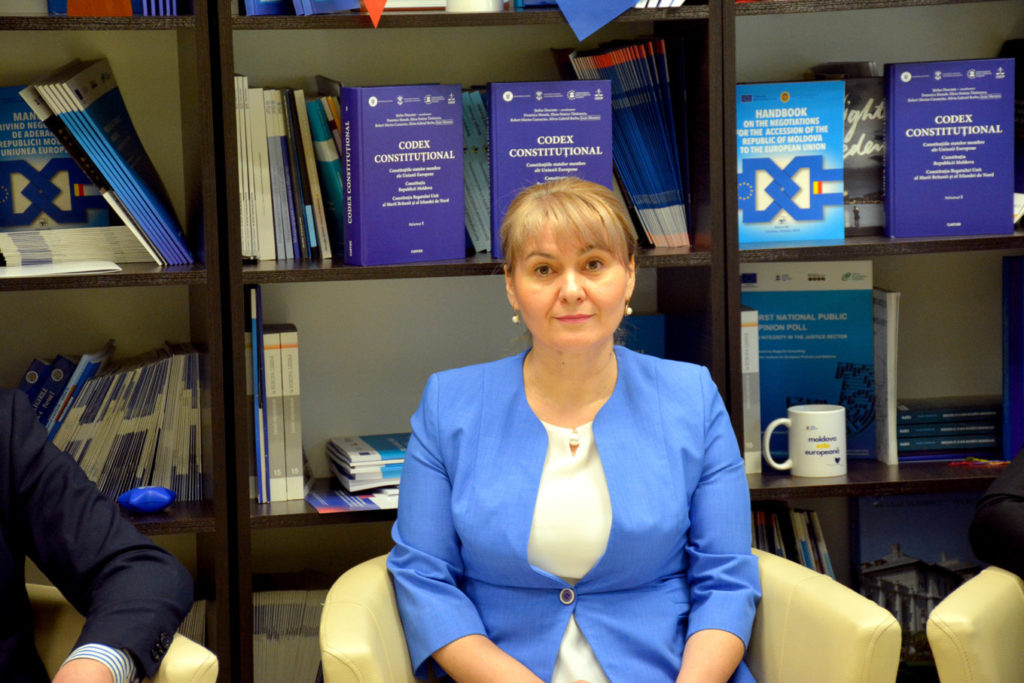
Elena Roșior, Member, Superior Council of Prosecutors: “To this day, we have not seen an explanatory note or an analysis of the activity of these prosecution offices. Ultimately, the performance of a prosecution office can be measured through statistical data, both quantitatively and qualitatively, which is crucial. Any reform or reorganization should be based on statistical evidence. If today, as citizens of the Republic of Moldova, we claim that these two specialized prosecution offices are ineffective, then where is the statistical data proving this? In my opinion, the activity of these offices must first be evaluated based on their assigned competencies. Regarding the Anti-Corruption Prosecution Office, we must assess its current jurisdiction, as well as that of the PCCOCS. Discussions with their representatives indicate that their jurisdiction is overly broad, and many of the cases they investigate should fall under the competence of territorial prosecution offices.”
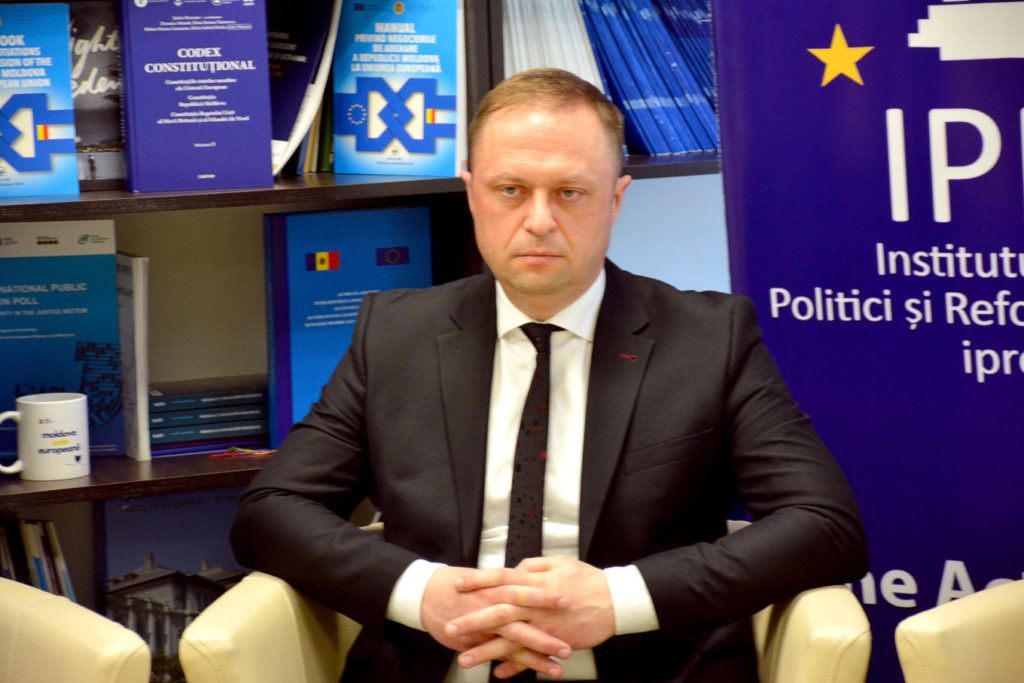
Nicolae Zanevici, Acting Chief Prosecutor of the Criminological Analysis and Legislative Initiatives Section, General Prosecutor’s Office: “Regarding the legislative initiative to establish this new prosecution office, I want to highlight certain risks and challenges, especially concerning the transfer of cases. Cases do not simply move from one prosecution office to another; they are reassigned from one prosecutor to another. This break in continuity, occurring when cases are transferred, will negatively impact the resolution of criminal cases. The draft law is not flawless; numerous public consultations are still needed to refine it and take into account the criticisms and arguments presented directly by representatives of specialized prosecution offices and the General Prosecutor’s Office. They are the ones who will ultimately have to work within the new structure and fulfill their assigned competencies. We are aligned with the Ministry of Justice and the Superior Council of Prosecutors on this issue. Indeed, this critical and drastic reorganization comes as a shock to the General Prosecutor’s Office, as it falls within the prosecution system’s competence to manage this transition.”
For more details, watch the event’s recorded video here.
The JEG Position Paper can be accessed here.
This event was organized within the project “Ensuring the integrity, efficiency and independence of the justice system in Moldova – #Justice4Moldova, funded by the European Union and co-financed by the Soros Foundation Moldova. This material was produced with the financial support of the European Union. Its content is the sole responsibility of IPRE. The views expressed do not necessarily reflect those of the European Union.