#Justice4Moldova Policy Dialogue – Revision of the Judicial Map
On December 12, 2023, the Ministry of Justice published the draft law amending some normative acts (on the revision of the judicial map). Through this project, the Ministry of Justice intervenes with proposals to modify the judicial map by redistributing some headquarters of the courts Balti, Cimislia, Edinet, Cahul, Straseni, Comrat, Drochia, Hancesti and Ungheni.
Also, through this draft law, the Ministry of Justice proposes to reconfigure the courts of appeal by renaming and reorganizing them into the Court of Appeal Center, the Court of Appeal North and the Court of Appeal South.
In December 2023, the Justice Experts Group (GEJ) of the Institute for European Policies and Reforms (IPRE) formulated a Position Note on the draft law, as well as an additional opinion during the exercise of repeated approval of that draft law in January this year.
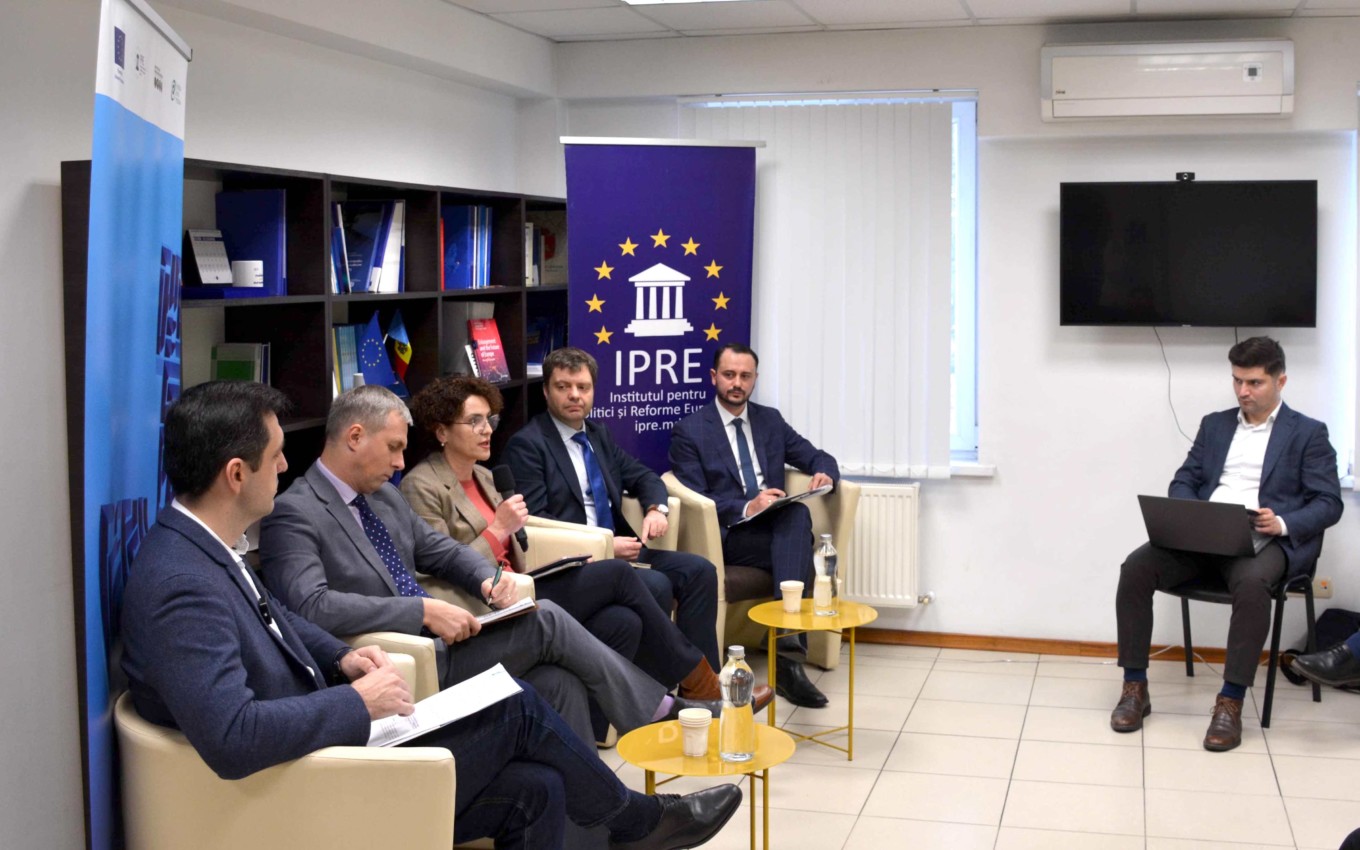
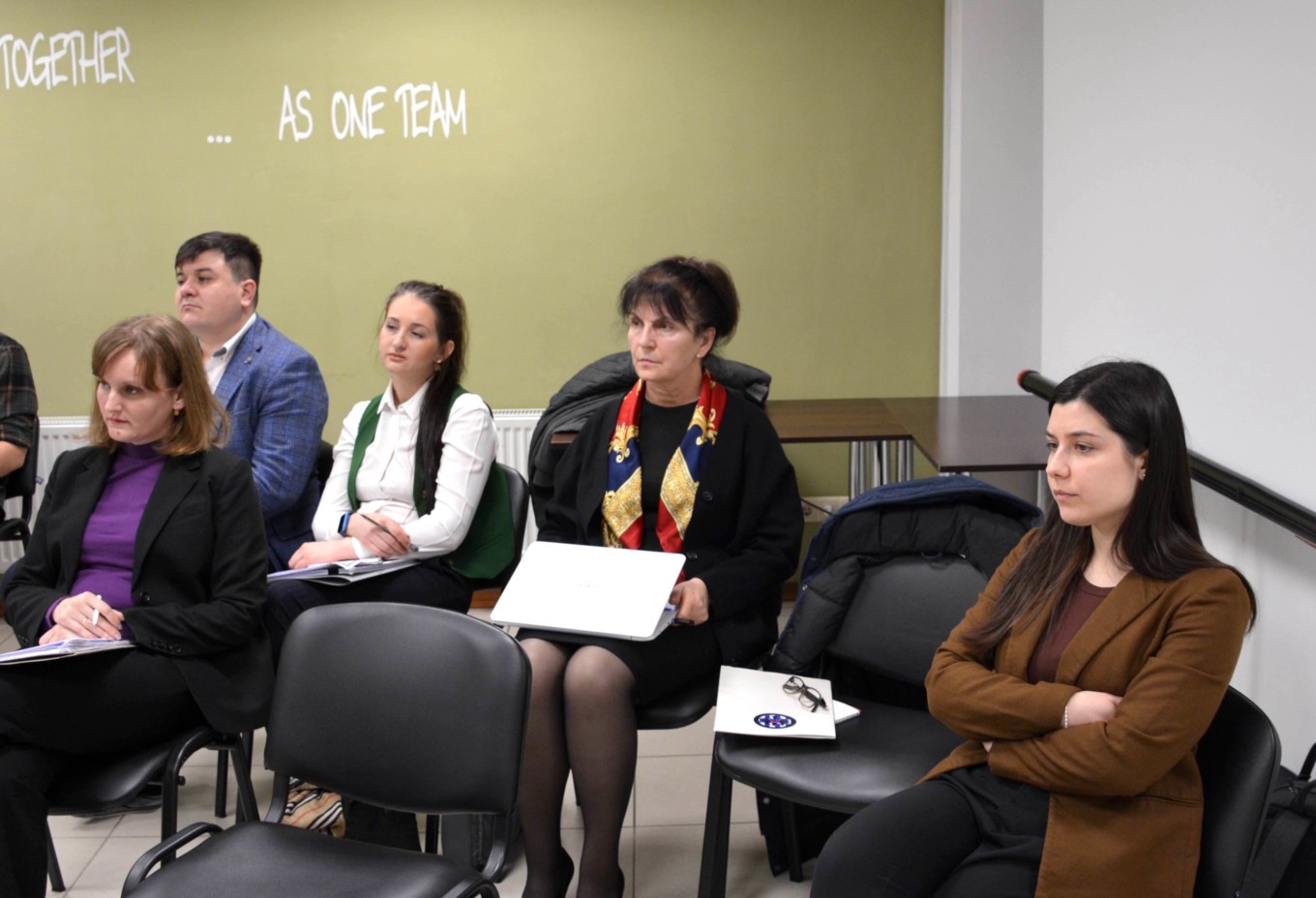
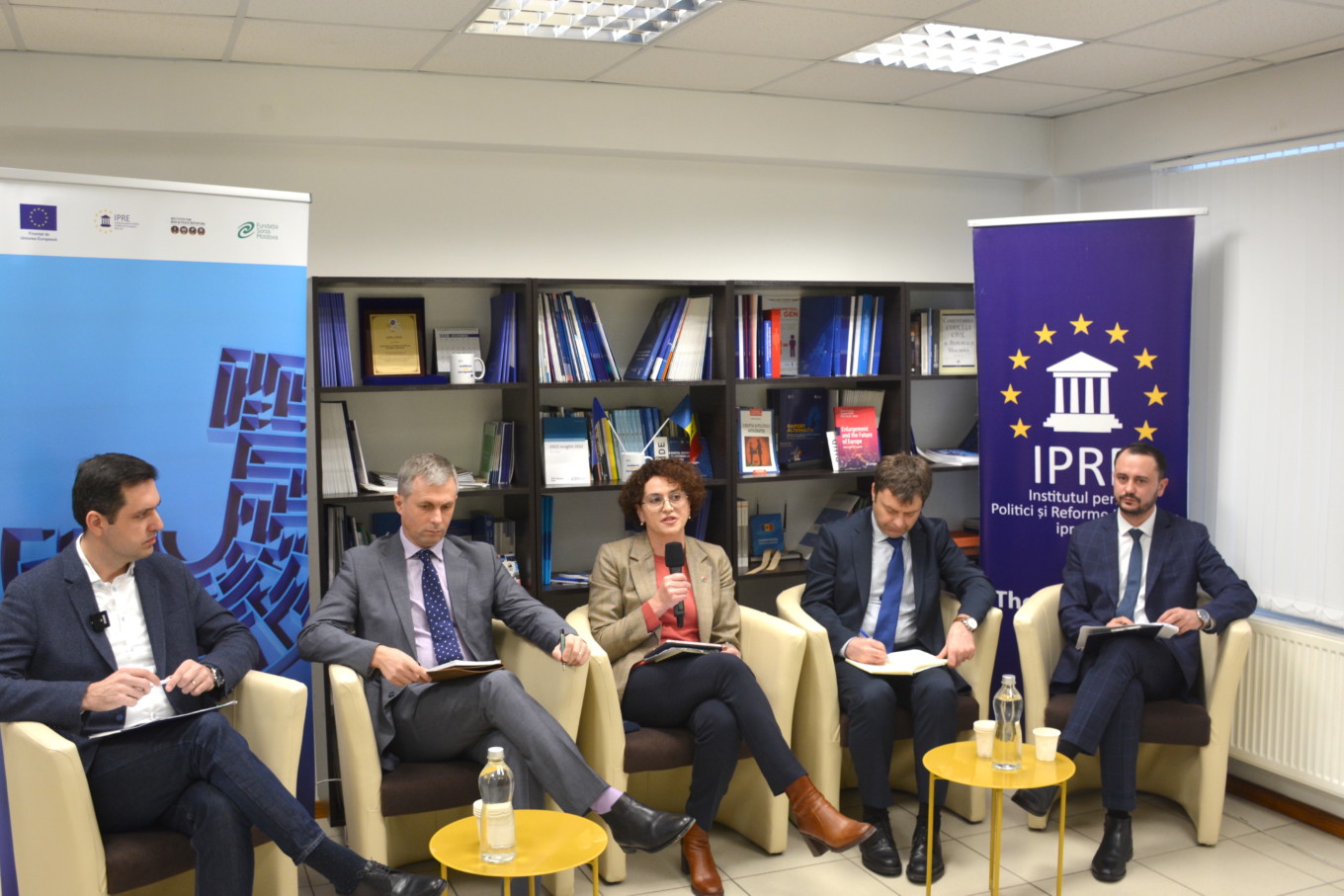
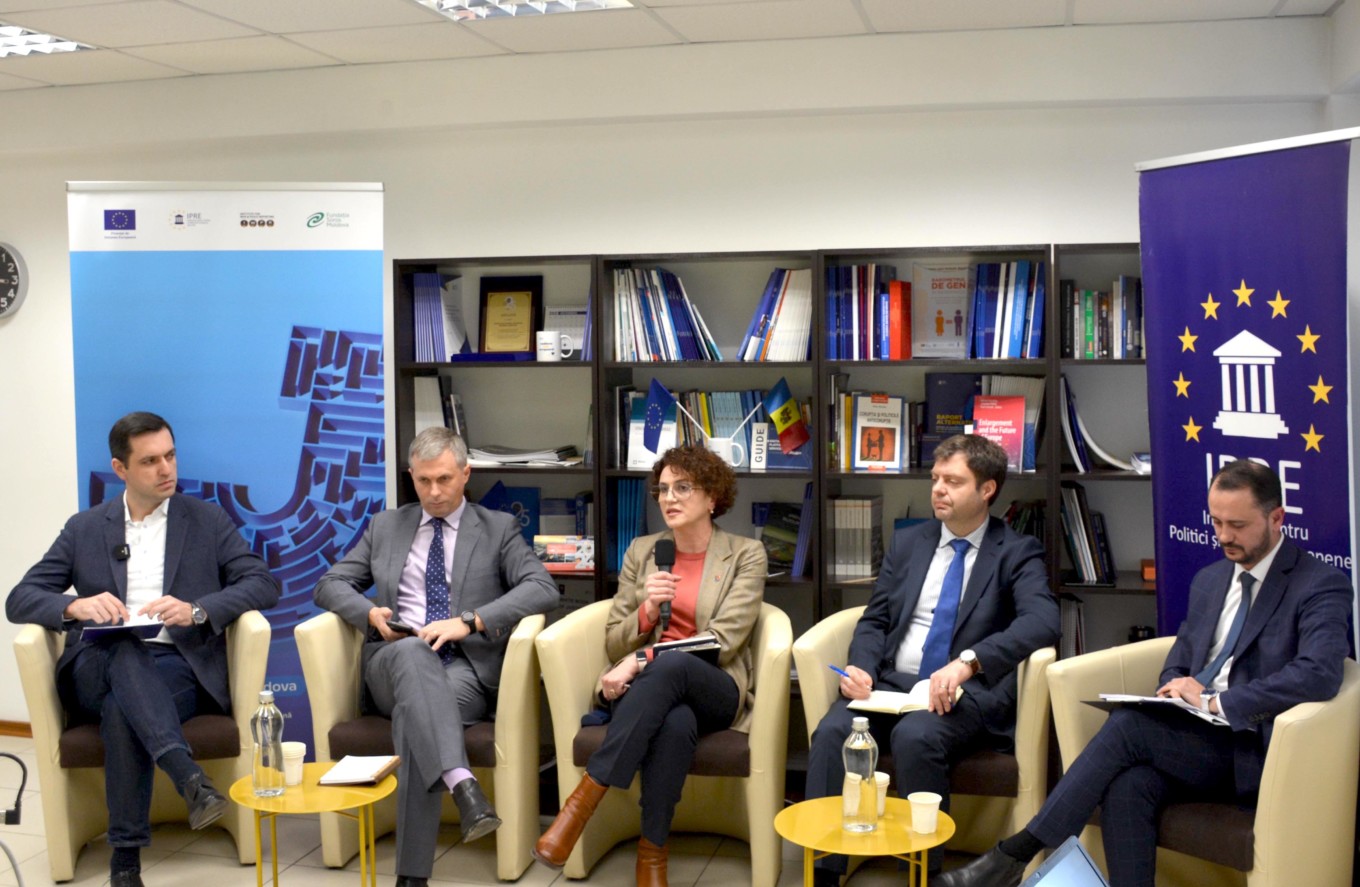
In this context, IPRE, in partnership with the Institute for War and Peace Reporting (IWPR), organized on Wednesday, February 14, 2024, the first #Justice4Moldova Policy Dialogue, on the revision of the judicial map.
The main interventions of the speakers can be found below:
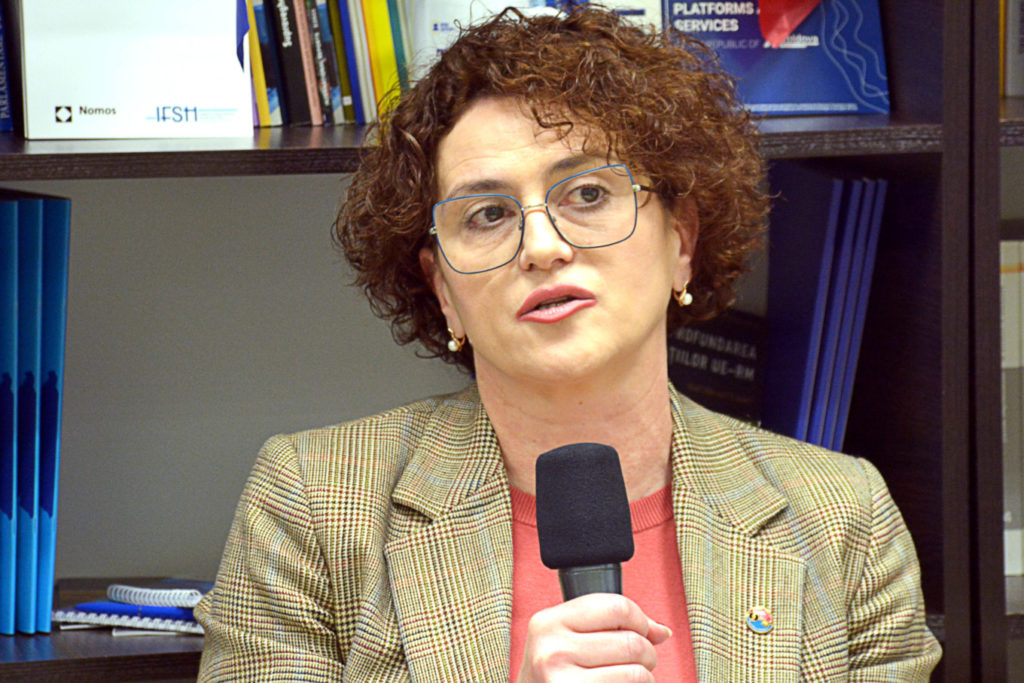
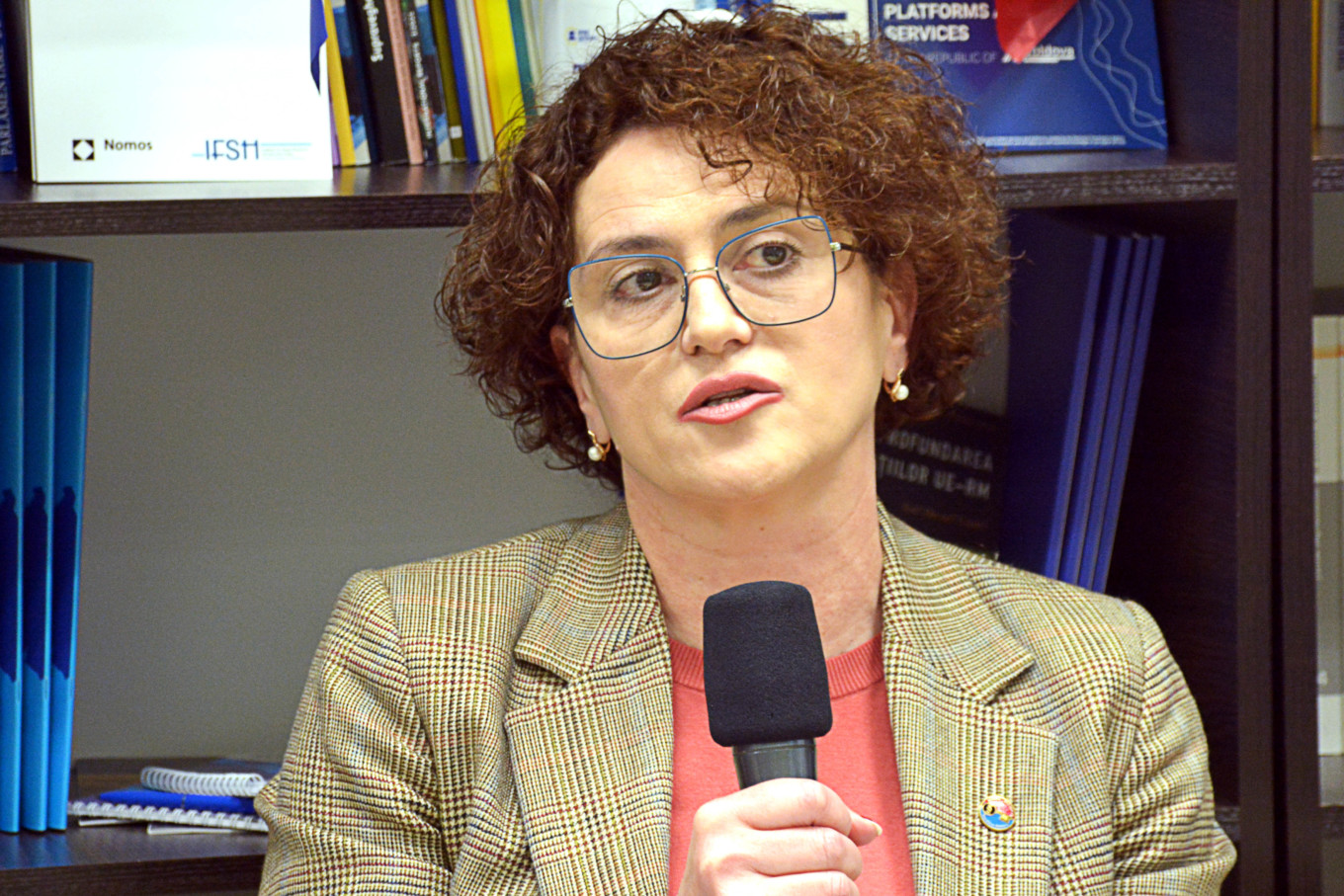
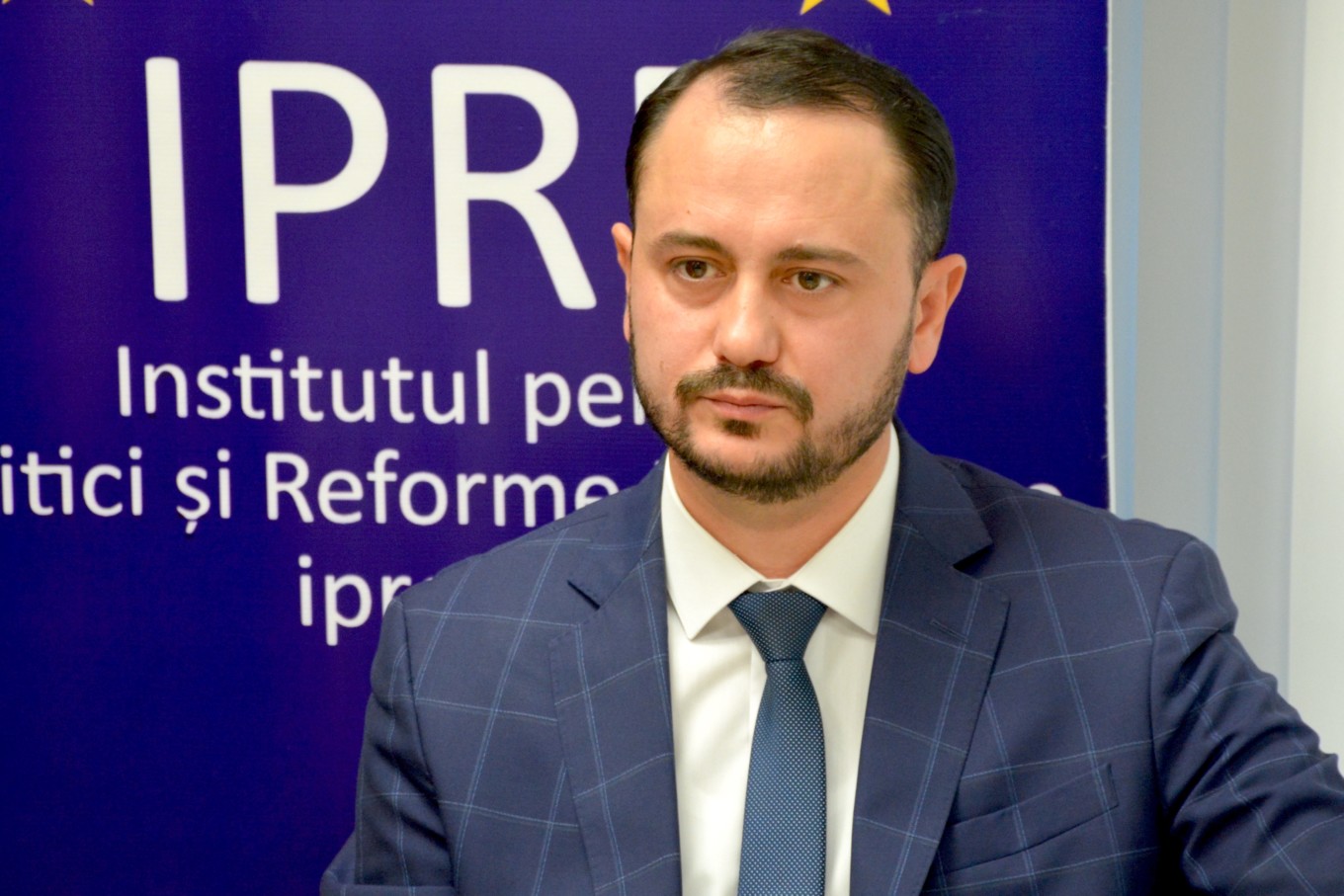
Angela Popil, Member of the Justice Experts Group, IPRE: “The judicial map in the new format was applied in 2017 and as a result of the evolution of this law, which was approved in 2016, several studies were initiated on the evaluation of the changes proposed at that time. As a result, we have a draft law, prepared by the Ministry of Justice, proposing a rather serious intervention in today’s judicial map. This initiative came to notice on December 12, 2023, through which, we found, interventions are proposed in the part that refers to both the infrastructure of first-level and appeal courts. Mainly, when we talk about the reconfiguration of first-level courts, it concerned the transfer of secondary headquarters from certain courts to others. It is proposed to rename the appeal courts, starting from the initiatives to reform the public administration by regions (Center, North and South), so that the Balti Court of Appeal would be renamed “North”, the Chisinau Court “Center” and those from Cahul and Comrat would be reorganized into a single Court of Appeal South. Thus, analyzing the draft law in the first stage, we considered that it, more or less, satisfies the requirements of the judicial system to reconfigure the courts. It is necessary if interventions are required from the perspective of the efficient organization of courts, because we must take into account both the workload per court, judge, the concentration of courts to the number of population, based on the number of population. While we welcomed this decision, in our opinion of December 22, 2023, we made some recommendations since we considered that it needed a better argumentation of this decision. For example, we agreed with the transfer of the Leova district court to the Hancesti court, but we did not accept the proposal to create an independent court in the city of Ialoveni, separate from the Hancesti district court, since this proposal was not justified. Our recomendations were communicated to the Ministry of Justice and we noticed that, after sending this draft law for repeated approval, the vast majority of our recommendations were accepted by the authors.”
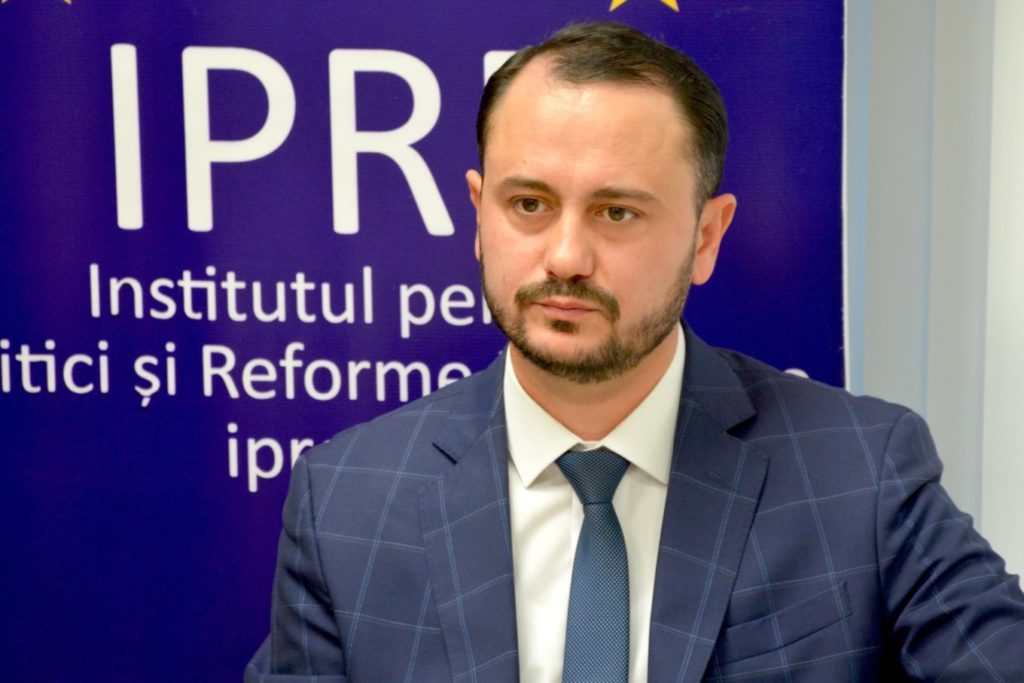
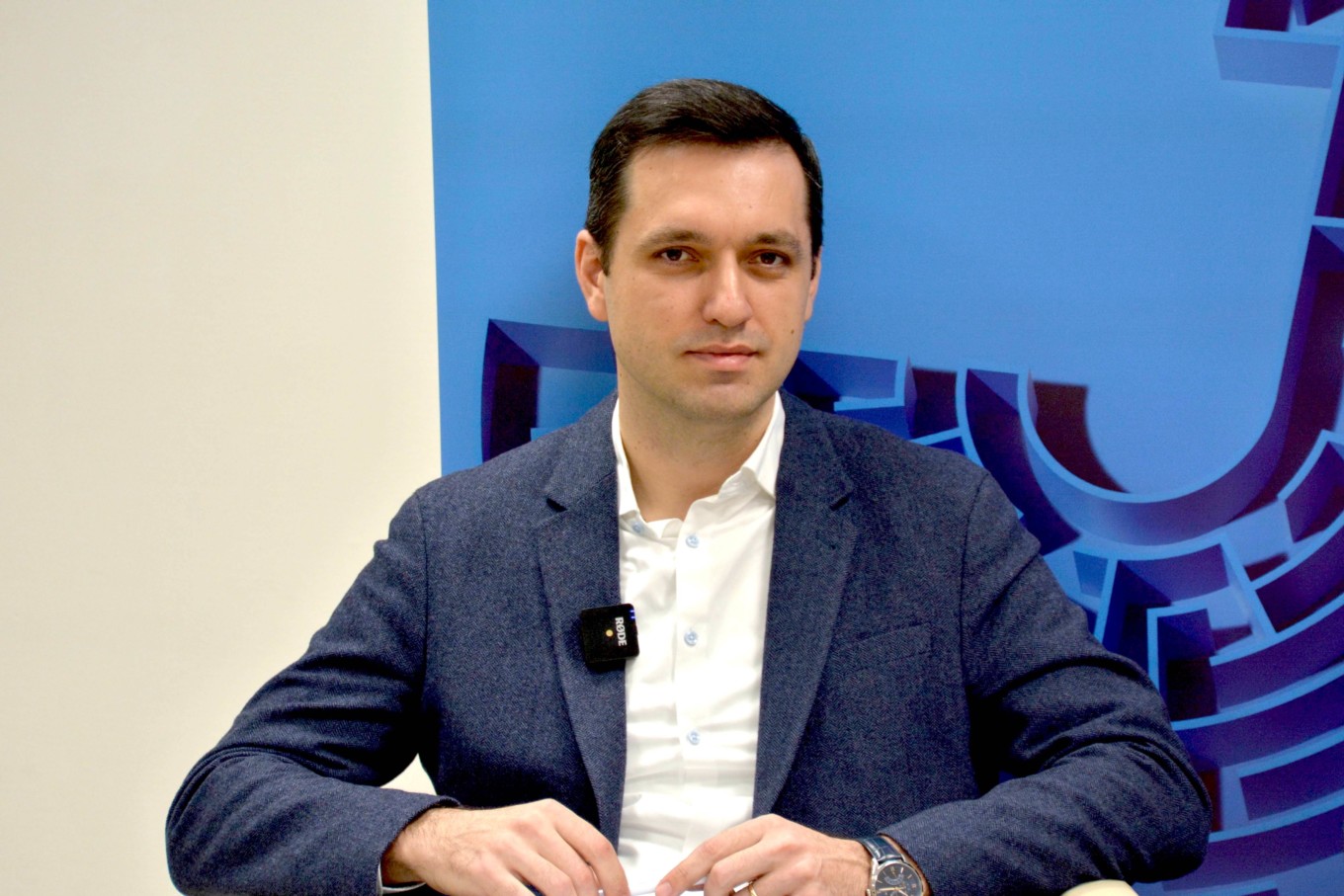
Sorin Popescu, Director of the Agency for Court Administration: “We must understand from what emerges the objective of the project and it is the following – strengthening the institutional capacities of the courts, improving the act of justice and increasing the efficiency of courts, ensuring as well as possible the public funds allocated to them, creating administrative conditions and reconfiguring the districts of the courts of appeal. This is what we must draw up when examining the proposals. I would like to mention that we have other important recommendations when reorganizing the judicial map. These are key factors, such as population density, and the recommendations say that a court must cover no less than 100 thousand inhabitants. We also have the size of the court, where it is mentioned that for the specialization of judges, 10-12 judges need to be specialized in different aspects and cases. No less important is the flow of work. The CEPEJ recommends approximately 53 cases a judge per month. Geographical location, infrastructure and transport are also important. In addition, we also have additional factors such as computerization / digitization of courts, court facilities and cultural complexity, but also how developed the locality is, etc. Thus, during 2023 we had several rounds of discussions on this project. This is basically a continuation of the work carried out by the Superior Council of Magistracy, since several studies have been carried out previously. And, I would like to mention, that an ideal solution cannot exist at the reorganization stage, so we must follow from the criteria mentioned above and the needs of citizens.”
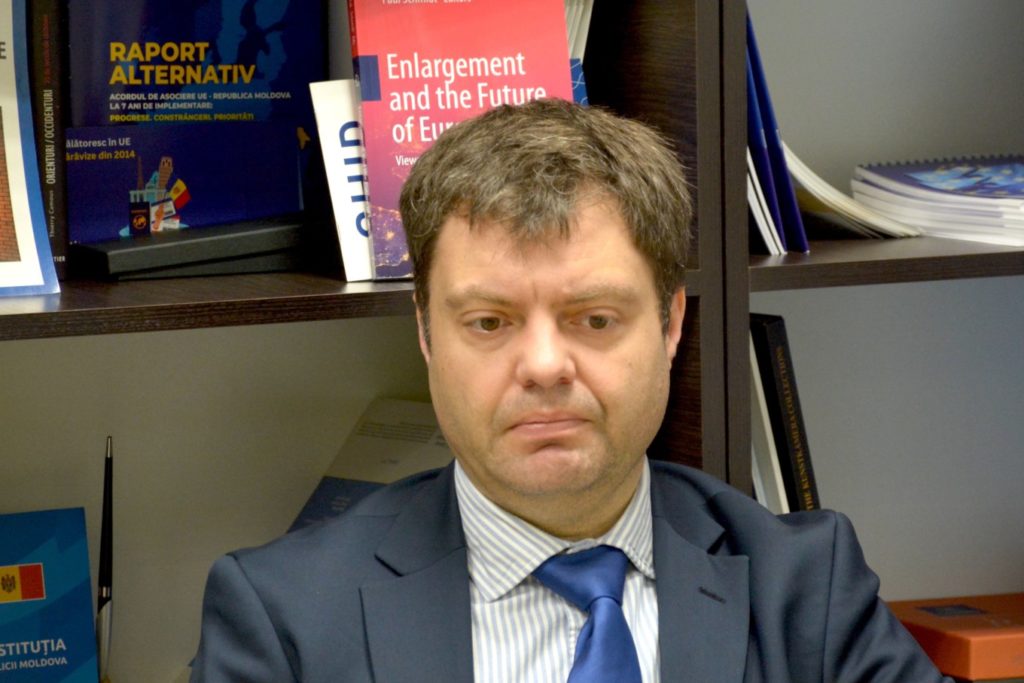
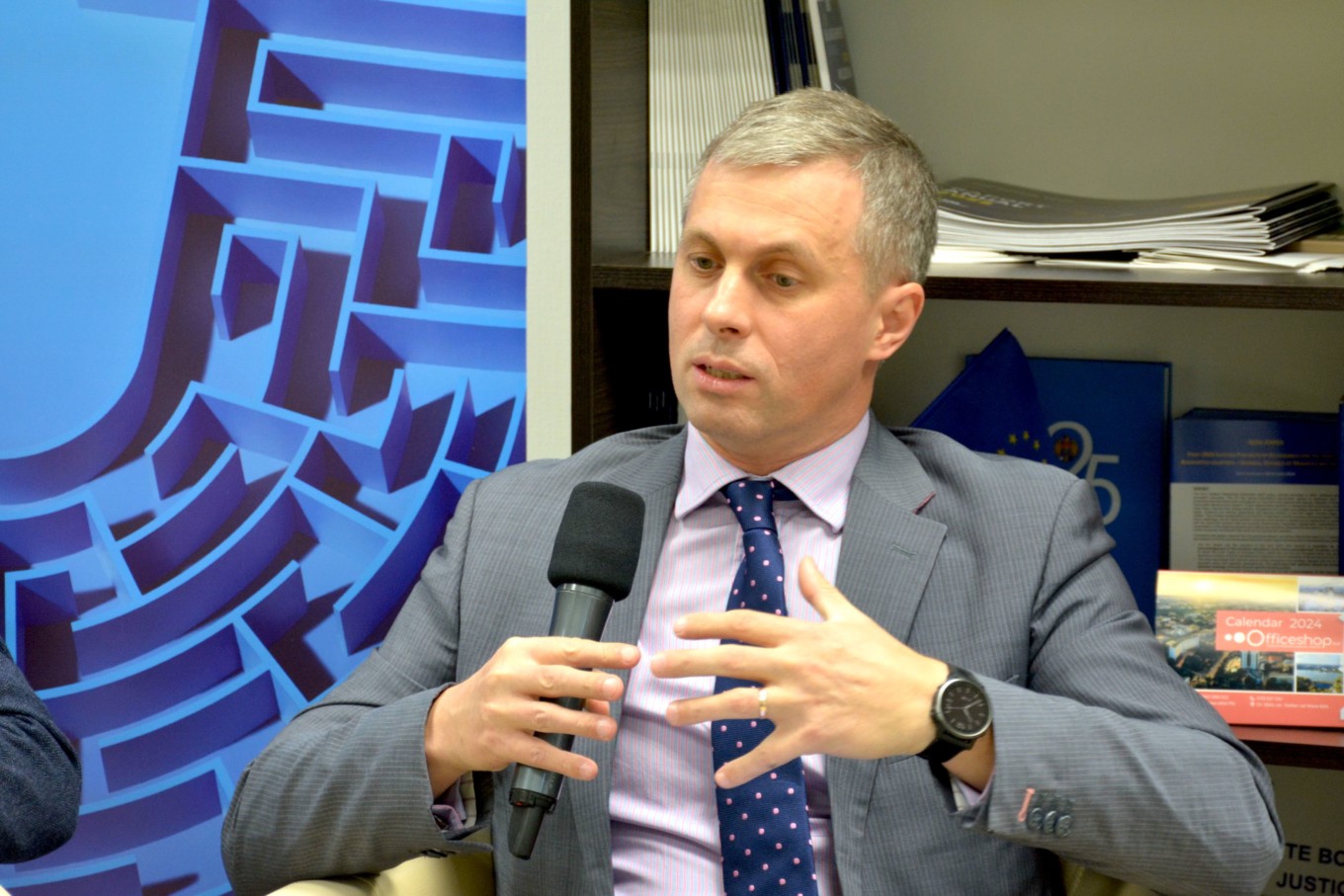
Ion Guzun, Member, Superior Council of Magistracy: “I am glad that this project has reappeared in public attention, because for 7 years we have simulated that there is an implementation of this law. During the last calendar year, there were many rounds of discussions, and we at the SCM twice endorsed this draft law. So, I think we’ve discussed enough to have clarity about the final options pertaining to the districts of new courts and courts of appeal. In my opinion, we must proceed from a premise that the Chisinau District Court and Court of Appeal, regardless of the options that are, will be the biggest courts. The question is to what extent we can discharge the Court of Appeal and how many judges we can bring to the Chisinau court. I think this draft law makes that clear. I also want to mention that regardless of how we structure these smaller courts, we must leave two strategic headquarters, which belong to Varnita and Ustia. We need to be closer to our citizens, and I do not think that the impact of these small courts could greatly affect the concept of court reorganisation. Thus, we now have a consensus, and we at the SCM must see how we can start certain reforms within our competence.”
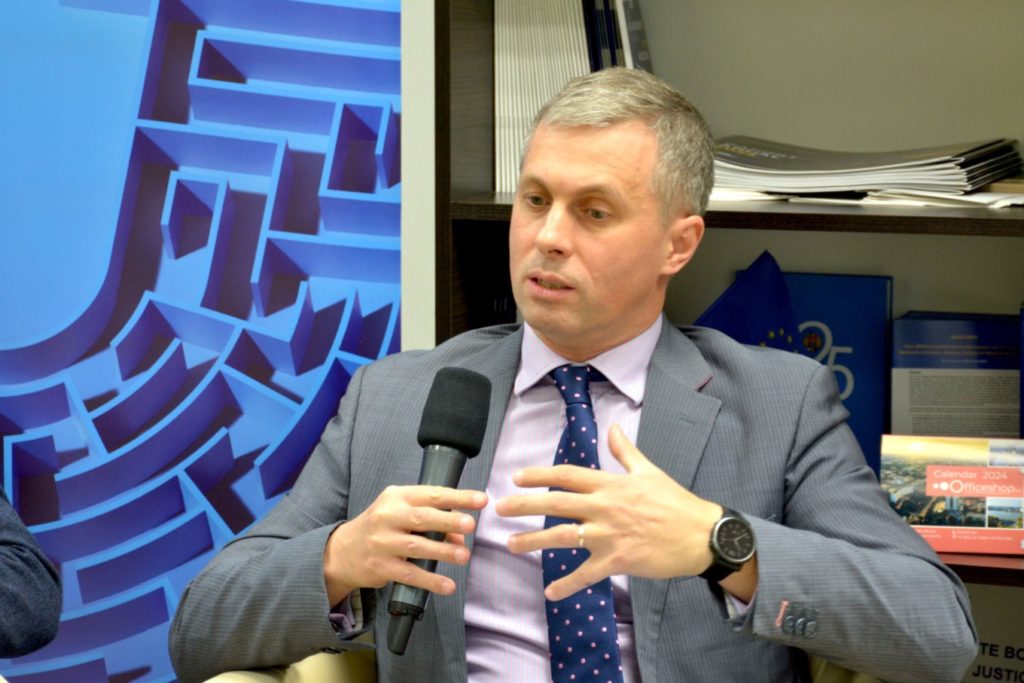
For more details, the video recording of the event can be accessed on privesc.eu here.
The event was organized within the project “Ensuring the integrity, efficiency and independence of the justice system in Moldova – #Justice4Moldova”, implemented by the Institute for Police and European Reforms (IPRE), in consortium with the Institute for War and Peace Reporting (IWPR), with the financial support of the European Union and co-financed by Soros Foundation Moldova.